






By K.Gopalakrishnan
Insights from Desolina Suter, Fashion Director and Yann-Brieuc Chevallier, Head of Press and Public Relations, Fashion Division of GL events (Première Vision – Tranoï)
Première Vision Paris 2026 reaffirmed its role as a global barometer for the fashion and textile industry, combining territorial expertise, sustainability imperatives, and forward-looking design narratives under one roof. This season’s edition stood out for its strong curatorial focus on France, Portugal, and Japan under the theme “Territories of Savoir-Faire,” while simultaneously unveiling the Spring–Summer 2027 direction under the theme “Open.”

In this combined interaction, Desolina Suter, Fashion Director and Yann-Brieuc Chevallier, Head of Press and Public Relations at Première Vision / TRANOÏ, Division Mode – GL events, share insights on sourcing evolution, craftsmanship, sustainability maturity, and how global trade developments such as the India–EU FTA are reshaping the fashion ecosystem.
Territories of Savoir-Faire: A Curated Journey Through Textile Cultures
The curatorial focus on France, Portugal, and Japan generated what Chevallier describes as an “overwhelmingly positive” response from both visitors and exhibitors. The theme highlighted the richness and diversity of each nation’s textile ecosystem, creating a dynamic environment of discovery and dialogue.
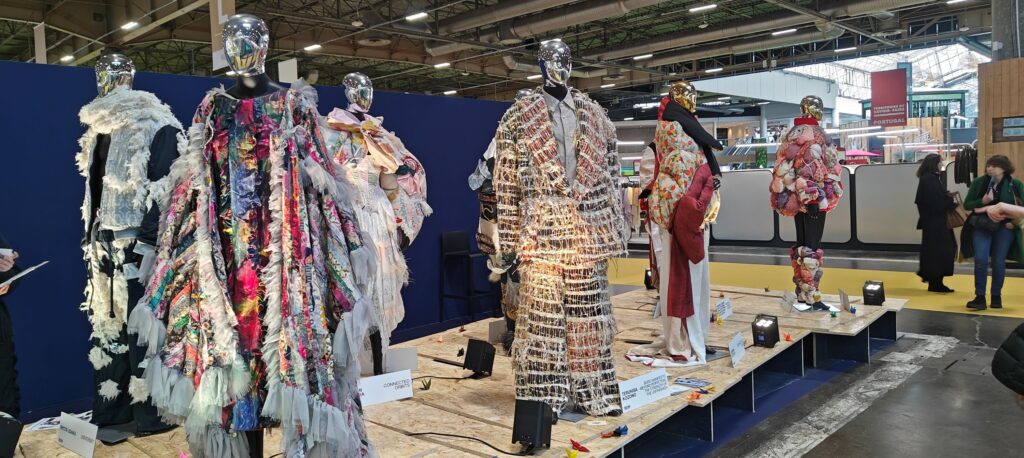
Over three days, attendees engaged deeply with new materials, techniques, and potential partnerships. The Prospective Area, in particular, emerged as a standout feature, widely described as a journey through textile cultures that invited visitors to rethink scale, proximity, and the intrinsic value of craftsmanship.
Rather than elevating one territory over another, Chevallier emphasised that each resonated differently depending on visitor profiles and sourcing needs. France presented a compelling interplay of cultural heritage and counter-culture, illustrating how tradition and contemporary creation evolve within a dense creative ecosystem. Portugal drew attention for its sustainability-driven industrial model built around integrated production clusters and long-term ecological thinking. Japan captivated buyers with its nature-oriented savoir-faire, blending artisanal heritage with biotechnological innovation and long-term material foresight.
The broader insight, according to Chevallier, is that brands are not merely seeking novelty; they are seeking meaningful, existing expertise. Innovation increasingly lies in rediscovering and elevating craftsmanship already present within established ecosystems.
India’s Positioning and the Impact of the India–EU FTA
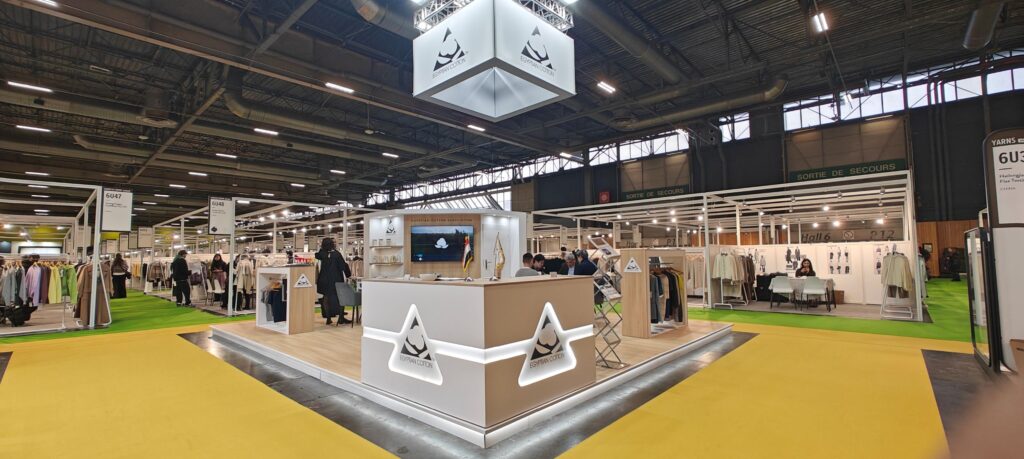
India’s presence at the show reinforced its standing as a reservoir of textile savoir-faire that combines artisanal mastery with strong industrial capabilities. Chevallier noted that Indian exhibitors performed confidently within a global landscape of around 1,000 exhibitors from 36 countries. The selection process ensures high standards, and Indian participants attracted targeted buyers seeking excellence in value-added fabrics, embellishments, embroidery, and craft-driven innovation.

With the India–EU Free Trade Agreement now signed, Chevallier anticipates enhanced collaboration between the two regions. While acknowledging that the agreement’s full impact will unfold gradually, he expects it to streamline procedures, reduce trade barriers, and facilitate mobility for business actors. For Première Vision Paris, this could translate into easier participation for Indian exhibitors and visitors, stronger commercial exchanges, and a growing recognition of India as a strategic sourcing partner. The expectation is clear: Indian participation is likely to grow in both scale and strategic relevance.
“Open”: A Strategic and Consumer-Centred Vision for Spring–Summer 2027
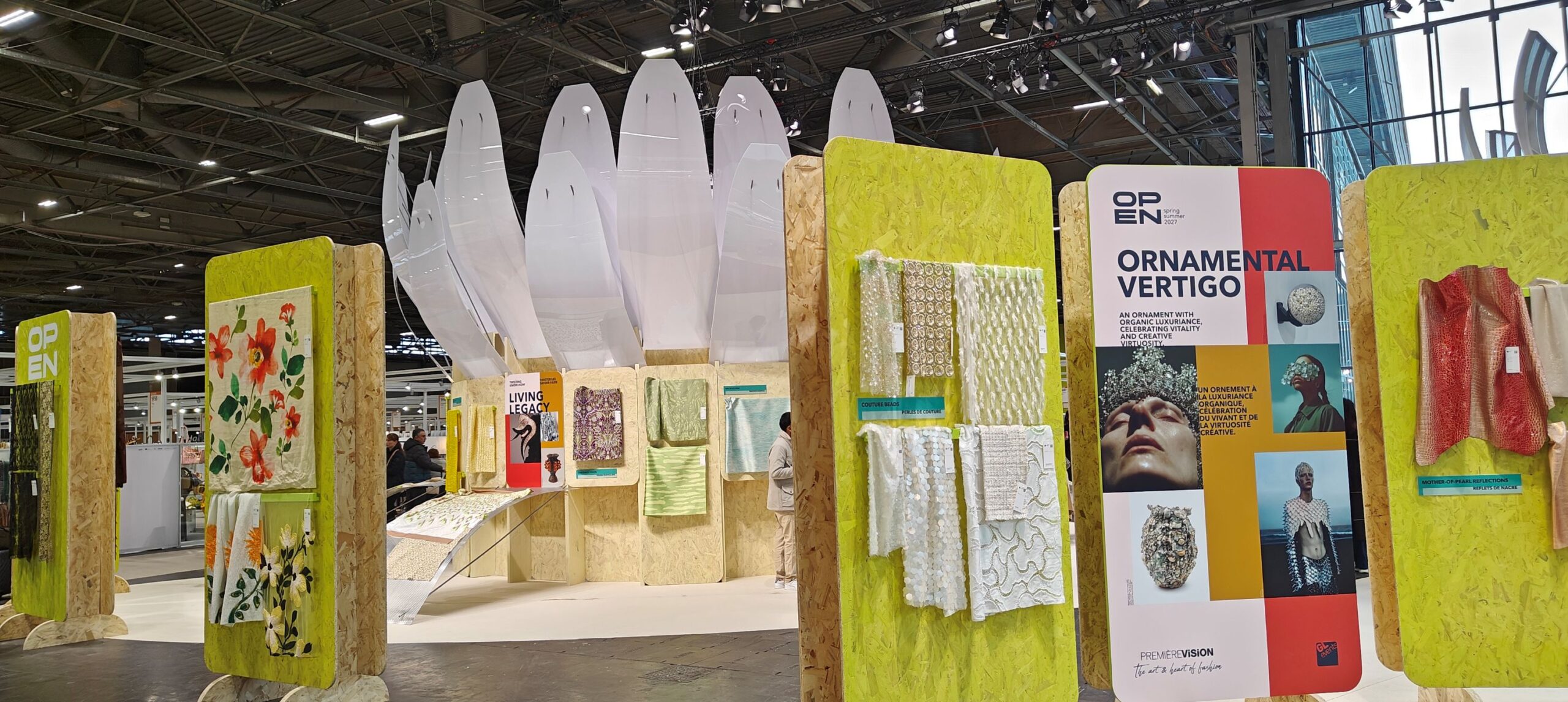
While territorial expertise shaped the sourcing narrative, the Spring–Summer 2027 season was unveiled under the theme “Open,” reflecting what Desolina Suter describes as a more mature and strategic fashion landscape. Creativity, she explains, is no longer conceived purely as aesthetic exploration, but as a tool to generate feasibility, relevance, and long-term value.
Discussions across the Forum and conference stages confirmed a collective focus on adaptability, reassurance, and consumer-centred design. In material terms, this translates into sensorial yet functional fabrics, including climate-control wools, lightweight constructions, fluid tailoring bases, and cupro-blend softness that combine comfort with performance. Surfaces are tactile and immersive, ranging from subtle wet sheens and vitrified finishes to grainy, skin-like textures that respond to a desire for intimacy and emotional connection, particularly in premium segments.
Colour narratives align with this spirit of openness. Instead of dramatic ruptures, the palette expresses controlled optimism through softened tones, nuanced brights, and reassuring shades that support versatile wardrobes. Ornamentation is used strategically rather than excessively, reinforcing differentiation without compromising commercial clarity. The result is a wardrobe that moves fluidly between professional and personal contexts while maintaining durability and desirability.
Craftsmanship and Ultra-Specialisation: The Future of Luxury
Spaces such as Maison d’Exceptions and the renewed emphasis on rare craftsmanship attracted significant attention. Suter underscores that ultra-specialised craftsmanship plays a decisive role in shaping the future of luxury fashion. In a context of cautious volumes and tighter sourcing strategies, differentiation through technical excellence, heritage know-how, and material intelligence becomes a strategic necessity.
The February edition highlighted 24 Entreprises du Patrimoine Vivant (EPV)-labelled companies among 116 French exhibitors, reinforcing the prominence of high-level French expertise within a strongly international offer. Exhibitors from France, Portugal, and Japan demonstrated how heritage and innovation can converge to create high-value propositions.
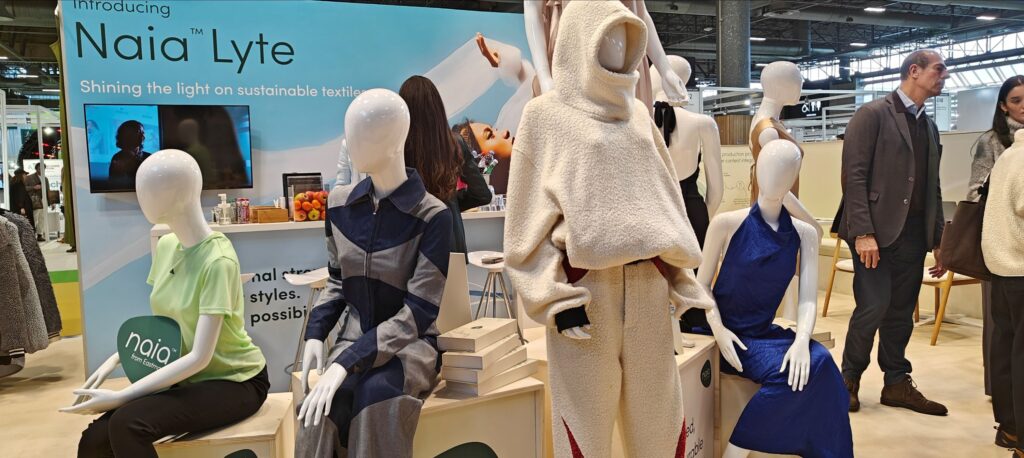
Luxury brands attending the show expressed strong interest in materials that merge rarity, performance, and emotional resonance. Craftsmanship is no longer perceived as nostalgic; instead, it is recognised as a driver of contemporary desirability capable of embedding authenticity and storytelling into modern collections.
Sustainability: From Declaration to Implementation
Sustainability was a visible and integrated dimension across exhibitions, conferences, and dedicated initiatives such as Journey to the Heart of Linen. Suter observes that the industry has entered a more mature phase in its sustainability journey. Rather than positioning sustainability as a standalone theme, brands and mills are embedding it into product strategy, performance metrics, and durability frameworks.
Initiatives such as the Linen Experience, developed with the European Linen and Hemp Alliance, highlight traceability, local sourcing, and fibre transparency. There is growing emphasis on seasonless fabrics, climate-adaptive materials, and long-lasting constructions that align environmental responsibility with economic resilience.
The next phase of innovation, Suter suggests, will emerge at the intersection of material science and measurable impact. Climate-regulating natural fibres, hybrid blends that reduce environmental footprints while enhancing performance, and enhanced supply-chain transparency are poised to define the coming years. Increasingly, responsible practices are viewed not only as ethical imperatives but as competitive advantages.
Première Vision as an Ecosystem Connector
Chevallier reiterates that Première Vision Paris positions itself as far more than a marketplace. Its mission is to connect ecosystems, amplify innovation, and foster dialogue across the global fashion value chain. Initiatives such as the European Federations symposium against ultra-fast fashion and the launch of the Réseau d’Excellence for Fashion & Beauty of the Entreprises du Patrimoine Vivant underscore this commitment.
By bringing together professionals and institutions from Europe, Japan, India, and emerging hubs, Première Vision strengthens cross-border collaboration at a time when geopolitical shifts, sustainability demands, and new trade agreements are redefining sourcing strategies.
Conclusion
Première Vision SS27 demonstrated that the future of fashion lies at the convergence of territorial expertise, strategic creativity, craftsmanship, and measurable sustainability. Through the “Territories of Savoir-Faire” focus and the forward-looking “Open” theme, the show illustrated how heritage and innovation, local ecosystems and global collaboration, can coexist and reinforce one another.
As trade frameworks evolve and brands recalibrate sourcing models, Première Vision continues to act as both a marketplace and a laboratory for ideas. In connecting ecosystems, elevating rare expertise, and aligning creativity with responsibility, the platform remains a vital catalyst for shaping the next chapter of global fashion.