








By K. Gopalakrishnan
As sustainability, traceability and authenticity become non-negotiable for global fashion and home textile brands, natural fibres with a proven environmental and social story are gaining renewed importance. At the centre of this shift is the Alliance for European Flax, Linen & Hemp, the collective body representing the entire European flax and hemp value chain.
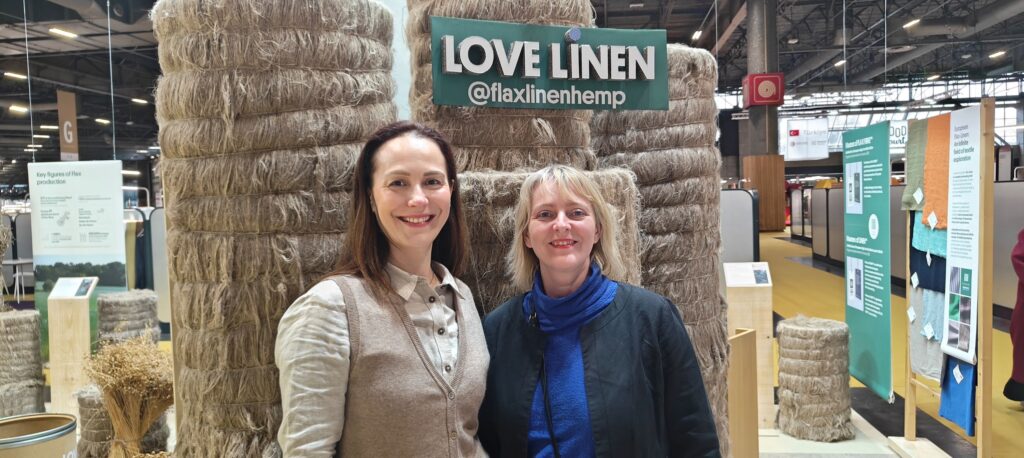
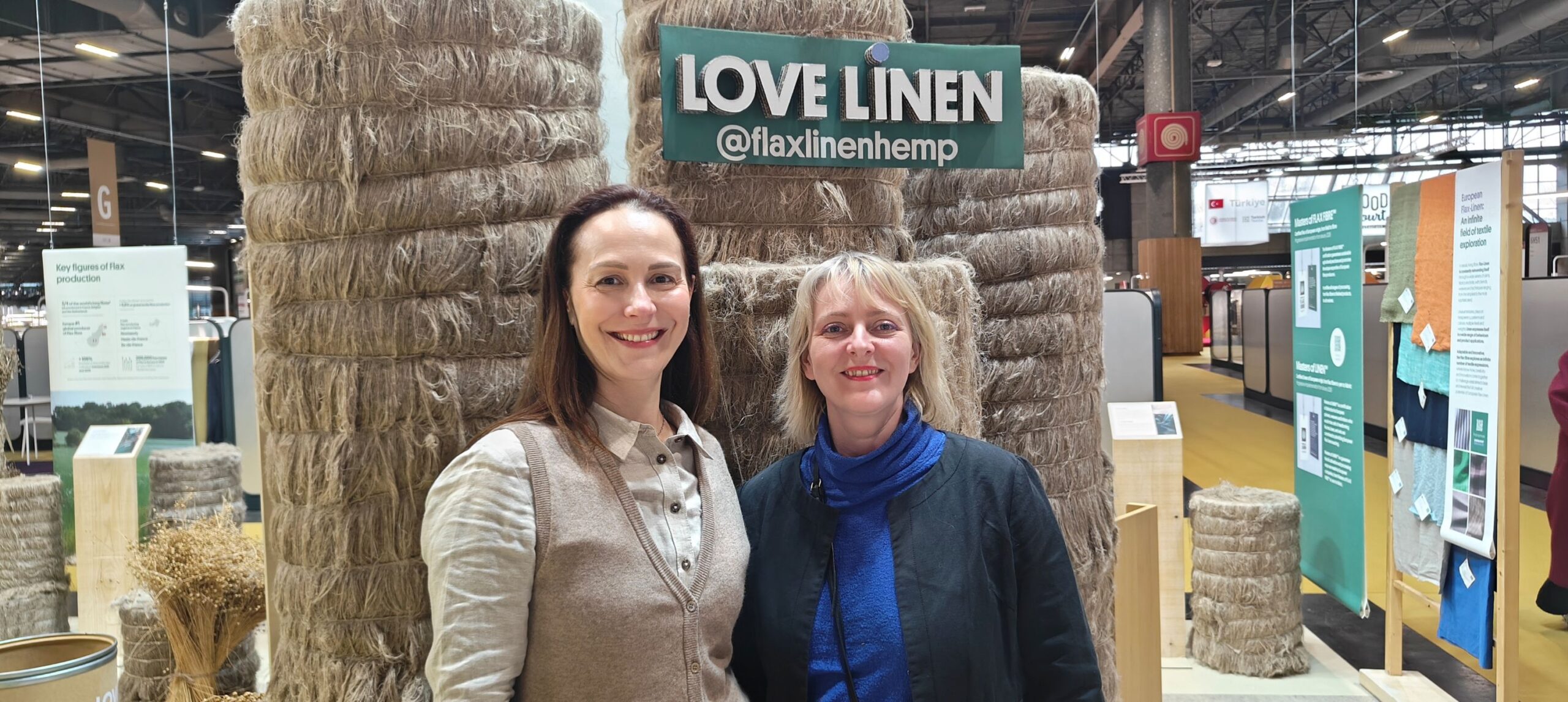
Speaking at Première Vision Paris, Chantal Malingrey, Marketing & Communications Director of the Alliance, outlined how European flax, linen has evolved from a traditional agricultural fibre into a globally benchmarked material, and why India has emerged as one of its most important manufacturing and growth partners, the second market after China.
From Post, War Challenge to Collective Strength
The Alliance traces its origins to the post Second World War period, when synthetic fibres such as nylon and later polyester began to dominate global textiles. Faced with the risk of natural fibres losing relevance, European flax growers and processors came together to protect, structure and promote flax, linen as a premium, natural alternative.
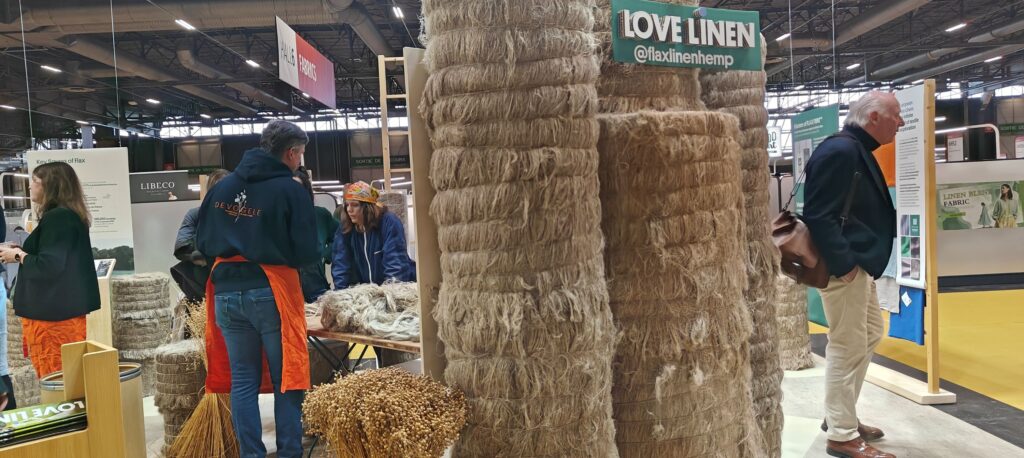
What began as a defensive response has since evolved into a highly organised association that today represents the entire European flax, linen and hemp supply chain, from farmers and scutchers to spinners, weavers, knitters, and traders. The Alliance brings together members across 16 European countries, primarily France, Belgium and the Netherlands, the historic heartland of high-quality/premium flax cultivation.
Importantly, the Alliance’s mandate is strictly European. While flax is processed and transformed globally, membership is limited to European value, chain players. This gives the Alliance its authority as the guarantor of origin, data, sustainability metrics and market intelligence for European flax.
Why European Flax Is Different
Flax is grown in around 10 countries throughout the world, but European flax occupies a unique position. The coastal strip stretching from Normandy through northern France, Belgium and into the Netherlands offers ideal soil, humidity and climatic conditions. Combined with generations of agronomic know, how, this region produces long, fine flax fibres specifically suited for apparel, grade linen.
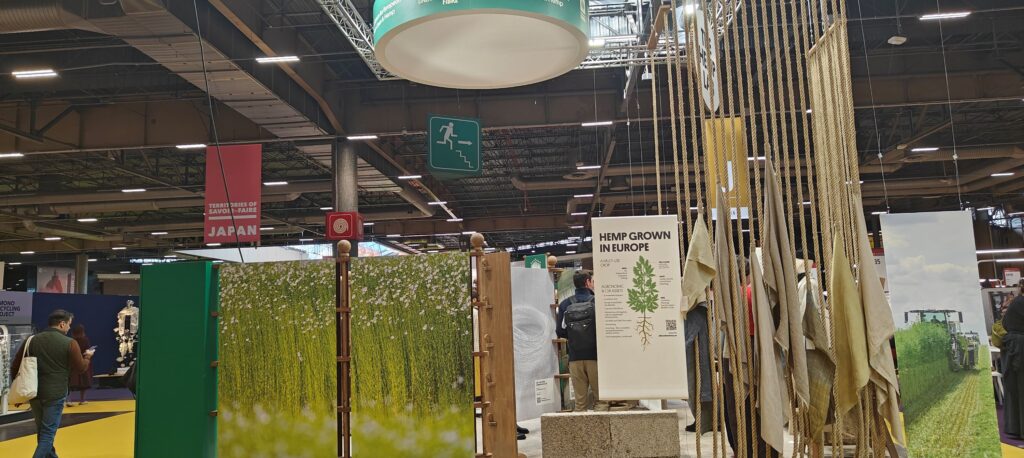
As Malingrey explains, European flax cultivation relies on mechanical processes, without genetically modified seeds, with limited use of inputs and reasoned use of pesticides and fertilizers; but also with careful water management from sowing to harvest, and dew retting. The fibre is zero, waste, every part of the plant is used, and it plays a positive role in crop rotation, helping preserve soil health.
Crucially, these environmental and technical claims are not marketing assertions alone. They are scientifically validated and embedded within the Alliance’s certification systems.
Certifications That Build Global Trust
To protect the integrity of European flax, linen in global markets, the Alliance has developed two cornerstone certifications.
Masters of FLAX FIBRE™ guarantees integrated crop management practices and European origin traceability from Flax fibre to finished product, for all end markets.
Masters of LINEN™ goes a step further, certifying not only the fibre’s origin but also that spinning, weaving and knitting have been carried out in Europe.
Both certifications operate under a strict chain of custody model and are independently audited. For Masters of FLAX FIBRE™, audits are conducted by Bureau Veritas, ensuring that spinners, weavers and manufacturers using certified fibre comply fully with the standards.
To further strengthen credibility, the Alliance has partnered with TextileGenesis (now part of the Lectra Group) to develop a digital traceability platform. This optional “digital passport” allows certified flax fibres to be tracked all the way to finished products, addressing risks of misuse or false claims, issues that have previously affected other premium fibres in global markets.
India: A Strategic Manufacturing Partner
While flax cultivation remains European, its transformation into yarns, fabrics and garments is global, and India plays a critical role in this ecosystem.
India has emerged as one of the world’s most important hubs for flax, linen spinning, weaving and knitting, particularly for menswear and lifestyle applications. Damien Durand, Economics Director at Alliance confirms that Asia represents a significant share of European flax exports, with India accounting for a substantial and growing portion: exports of long flax fibres from Europe to India have tripled in 10 years, with about 15,000 to 20,000 tons exported.
Indian companies import certified European flax to produce yarns and fabrics both for domestic consumption and for global export markets. Leading Indian manufacturers increasingly view certification not just as compliance, but as a value, adding differentiator, allowing them to position their yarns and fabrics as premium, traceable and responsible.
The Alliance works closely with Indian industry bodies such as the Linen Manufacturers Association, exchanging market insights and technical feedback to ensure that fibre development aligns with fabric and garment requirements.
Sustainability, Regulation and Consumer Demand
Three converging forces are driving the rising demand for certified flax, linen: brand strategy, consumer awareness and regulation.
Global fashion brands are under pressure to demonstrate reduced environmental impact and full traceability. Consumers, especially in mature markets, want to know how and where products are made. At the same time, European regulations are pushing companies toward lower impact and bio based materials.
European flax, linen sits at the intersection of all three. Its agricultural model, mechanical processing and traceability credentials make it a natural solution for brands navigating ESG requirements.
For Indian manufacturers supplying to Europe, the US and Japan, this alignment offers a powerful opportunity, provided fibre integrity and certification standards are respected.
Beyond Apparel: Expanding Applications
While apparel remains the largest application area, European flax, linen is increasingly finding use in home textiles, interior décor and technical applications. At Première Vision, the Alliance showcased developments across fashion, lifestyle and selected technical segments, including automotive and composite applications.
Around 60% of flax fibre ends up in apparel, about 30% in interiors, and roughly 10% in technical uses and co, products. Since flax is fully circular and zero waste, by products are continuously repurposed, reinforcing its circular economy credentials.
Parallel to flax, the Alliance is also advancing textile hemp through initiatives such as the European Hemp4Circularity programme, positioning hemp as a complementary fibre with long term industrial and creative potential.
Knowledge Sharing and Market Education
Beyond certification and promotion, the Alliance plays a vital educational role. Initiatives such as the “Linen Experience” space at Première Vision help designers, buyers and students understand flax, from field to finished product.
For India, this knowledge transfer is particularly important. As domestic linen consumption grows rapidly and export ambitions rise, deeper understanding of fibre behaviour, sourcing ethics and storytelling will help Indian manufacturers move up the value chain, from commodity production to branded, premium propositions.
European flax, linen’s journey, from post, war survival to global sustainability benchmark, offers valuable lessons for the textile industry. For India, the opportunity is clear. As one of the world’s most important transformation hubs for flax, linen, India is no longer just a processing destination, but a strategic partner in delivering certified, traceable and responsible natural fibre products to global markets.
With growing trade opportunities, rising domestic demand for linen, and increasing global scrutiny on sustainability claims, alignment with organisations like the Alliance for European Flax, Linen & Hemp gives Indian manufacturers a decisive edge. The future of linen may be rooted in European fields, but its global success will increasingly be shaped on Indian looms, knitting machines and factory floors.