
-150x150.jpg)






By K. Gopalakrishnan
India’s textile industry is witnessing the emergence of new manufacturing destinations, and Odisha is rapidly positioning itself among the country’s most promising investment hubs. Backed by progressive policy support, world-class industrial infrastructure, abundant skilled manpower and a clear vision for integrated value chain development, the state is attracting significant investments across fibre, spinning, fabric, technical textiles and apparel manufacturing. From global apparel manufacturers to leading yarn and textile companies, several industry players are choosing Odisha as their preferred destination for expansion.
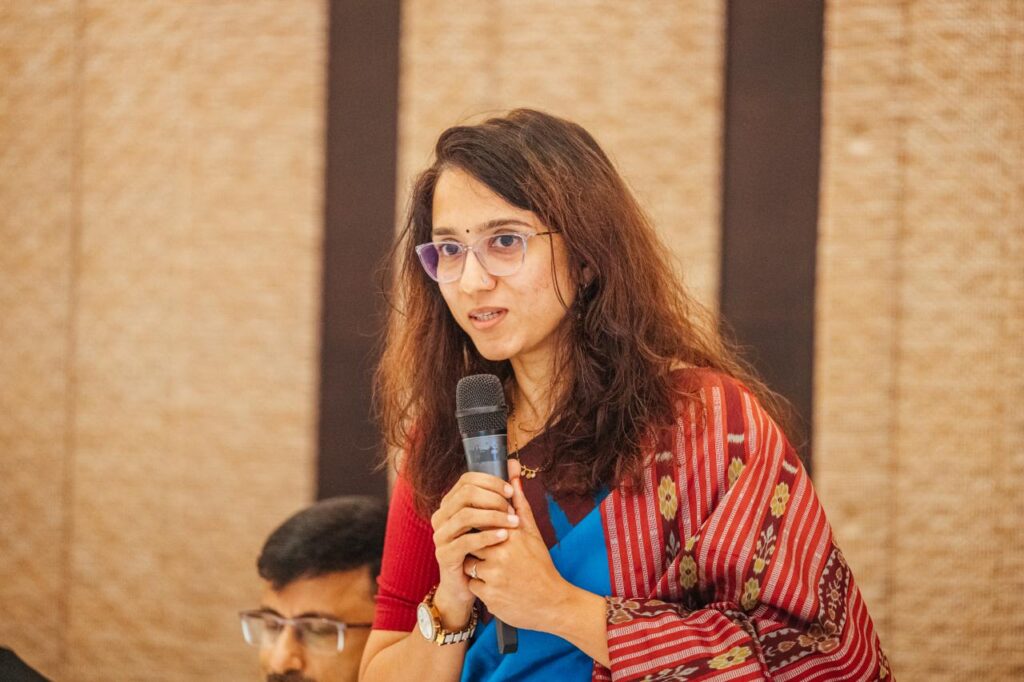
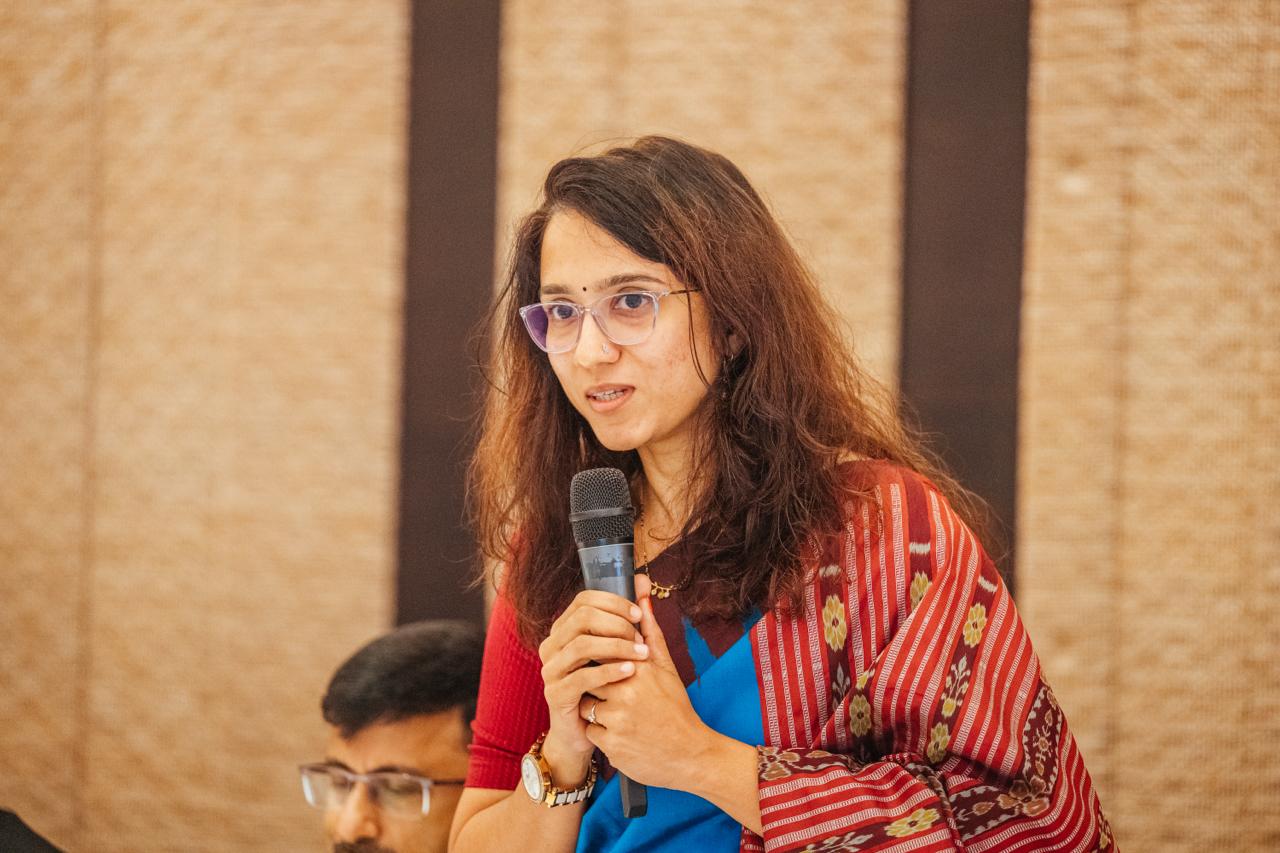
Ms. Aboli Sunil Narawane, IAS, Managing Director, IPICOL and Director of Industries, Government of Odisha, is spearheading the state’s efforts to build a globally competitive textile ecosystem. Odisha has secured investment commitments worth more than ₹7,800 crore through Odisha TEX 2025, while the overall textile project pipeline has already crossed ₹8,800 crore, with the potential to generate over 95,000 employment opportunities. Speaking to The Textile Magazine, Ms. Narawane shares the state’s roadmap for developing an integrated fibre-to-fashion value chain, strengthening technical textiles, expanding manufacturing infrastructure and positioning Odisha as Eastern India’s largest textile manufacturing hub over the next decade.
Odisha’s Textile Transformation
Odisha is rapidly emerging as one of India’s most attractive destinations for textile and apparel investments. What is your vision for the state’s textile industry over the next five to ten years, and what role do you see Odisha playing in India’s textile growth story?
Ms. Aboli Sunil Narawane:
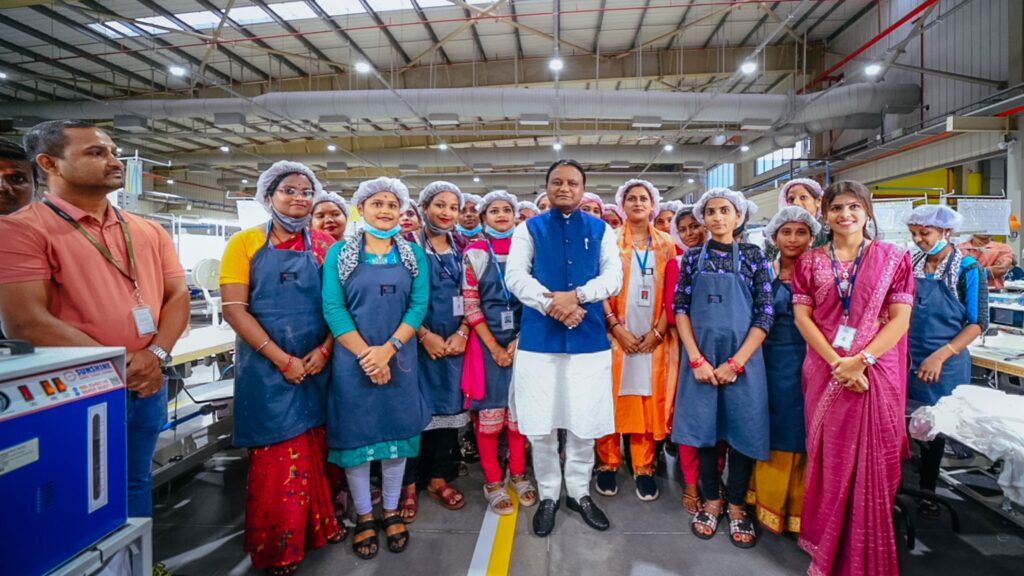
• Odisha is transitioning from a garment manufacturing destination to a fully integrated textile ecosystem spanning fibre, yarn, fabric, technical textiles, recycling and apparel manufacturing.
• In our flagship textile event- Odisha TEX 2025, the state secured 33 MoUs worth over ₹7,800 crore, with employment potential exceeding 53,000 jobs- showcasing investment attractiveness of Odisha for domestic as well as international players
• The current textile project pipeline in Odisha exceeds ₹8,800 crore of investments with potential employment generation of over 95,000 jobs.
• Our strategy is focused on moving upstream into spinning, man-made fibres, fabric processing and technical textiles while simultaneously expanding downstream apparel manufacturing- integrating across the Fiber to Fashion value chain.
• Companies like ABFRL, Shahi Exports, Page India, SAPL, Trimetro Garments (EPIC), etc. have already set up units in the state. Some of these units have already planned for expansion too. Many other companies like Sportking, MAS Apparel, Toray, Adistam Textile, and many other companies are setting up their units too.
• We recognize the pivotal role of Textile and Apparel sector for balanced regional development. Over the upcoming years we plan to attract high impact investments such as Ambica Cotspin’s integrated facility in Balangir, supporting over 10,000 local cotton farmers and infusing over 200 crores in the rural economy.
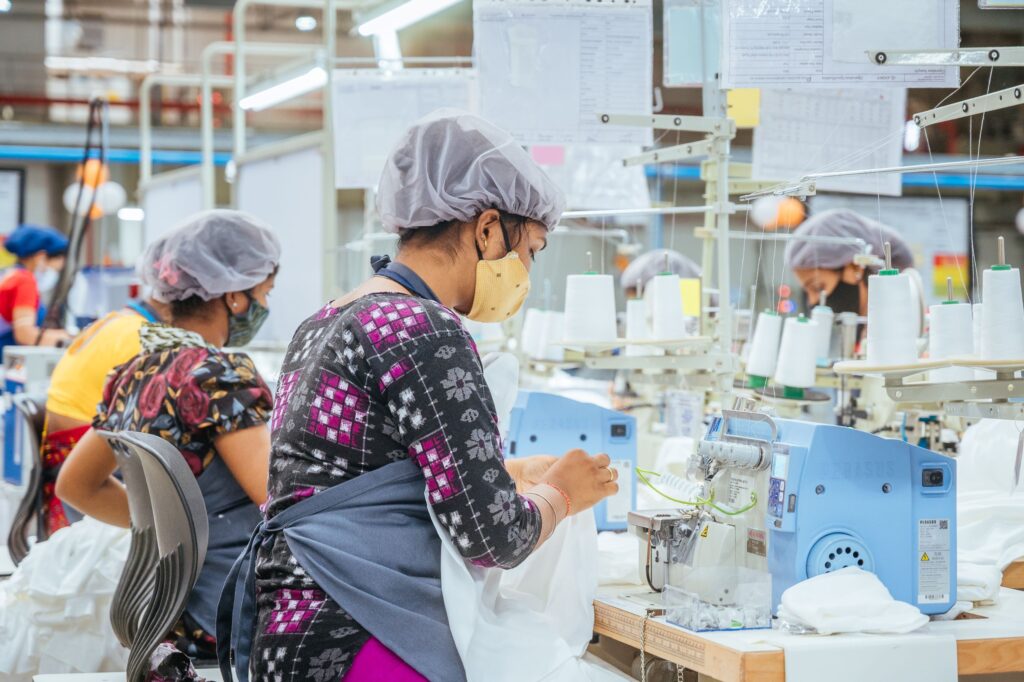
• One of the major reason of this growth is that the highly skilled workers in the textile and apparel sector are Odias. Infact if apparel clusters in Tirupur or Surat is analysed, one will find a majority of employees being Odia. The companies are also aligning to the global ESG norms and prefer to locate closer to the high skilled regions like Odisha.
• Over the next decade, we envision Odisha emerging as Eastern India’s largest textile manufacturing hub and a major contributor to India’s textile export growth.
Policy Support and Investment Promotion
The Odisha Apparel & Technical Textiles Policy 2022 has received positive response from investors. Could you highlight the key features of the policy and explain how it differentiates Odisha from other textile investment destinations in India?
Ms. Aboli Sunil Narawane:
• Odisha offers one of India’s most competitive incentive frameworks for textile investments.
• Investors can avail:
a) 40% Capital Investment Subsidy up to ₹50 crore under the Odisha Apparel & Technical Textiles Policy OR 30% Capital Investment Subsidy with no upper cap under IPR 2022.
b) 100% reimbursement of net SGST limited to 200% of Plant and Machinery costs
c) Employment subsidy of ₹7,000 per month per female worker and ₹6,000 per month per male worker for 5 years.
d) Employers’ component of ESI and EPF paid to employees for a period of 10 years under IPR 2022
e) ₹2 per unit power tariff reimbursement and 100% electricity duty exemption, under IPR 2022
• Textile, Apparel, Technical Textiles and Footwear have been designated as Thrust Sectors under IPR 2022 ensuring the highest possible incentives.
• Beyond incentives, Odisha offers investors a unique combination of workforce availability, port-led logistics, affordable industrial infrastructure and fast-track approvals through GO-SWIFT- our single window platform integrating 34 services from 15 state departments.
• We also offer utilities at much competitive prices in the country – electricity, water, etc. along with land readily available for sectors like apparel and textile industries.
Infrastructure and Industrial Ecosystem
The state has announced integrated Textile & Footwear Parks with plug-and-play infrastructure. How are these projects progressing, and how will they support large-scale textile and apparel manufacturing investments in Odisha?
Ms. Aboli Sunil Narawane:
• Odisha is developing a network of Integrated Plug-and-Play Textile & Apparel Parks across Keonjhar, Cuttack, Jagatsinghpur, Ganjam, Sambalpur and Bolangir.
• These parks are being equipped with:
a) Ready-to-use industrial sheds
b) Common Effluent Treatment Plants (CETPs)
c) Worker hostels across major textile and apparel clusters
d) Common utilities and logistics facilities
e) Skill development centres
• Several textile parks such as Bhuinpur, Kalibeti, Balianta in Khordha; Ramdaspur in Cuttack; IOCL Technical Textile Parks in Bhadrak are already operational.
• Odisha is creating integrated clusters where spinning, processing, technical textiles, garmenting and ancillary industries can co-locate.
• This approach significantly reduces logistics costs and improves supply-chain efficiency for investors.
• The State Government is also reviving some non-operational spinning mills and powerloom units, with plans of making them fully operational along with industries.
Recent Investments and Industry Response
Odisha has attracted several marquee investments from companies such as Page Industries, EPIC Group, MAS Holdings, Ganesha Ecosphere, Indian Oil Corporation and TechnoSport. What factors have driven this strong investor interest, and how do these projects strengthen the state’s textile ecosystem?
Ms. Aboli Sunil Narawane:
• Odisha has garnered strong investor confidence through a unique combination of best-in-class policy incentives, skilled manpower, plug-n-play industrial infrastructure, port-led logistics connectivity and proactive governance
• Investor confidence is reflected in commitments from companies such as Page Industries, EPIC Group, MAS Holdings, Toray, TechnoSport, SCM Garments, Ganesha Ecosphere, Shahi Exports, Sportking and KPR Mills.
• We must also note the massive decrease in the turn-around-time in the current governance system. One such example, Trimetro Garment, which was grounded and operationalized within a period of only 1 year. Our regulatory environment has been simplified making it more business-friendly.
• Odisha is building a future-ready, investor-friendly ecosystem driven by continuous regulatory reforms, digital governance, and fast-track approvals to improve ease of doing business.
• The state has achieved strong EoDB performance and reform outcomes, including deregulation (e.g., land simplification, reduced compliance, self-certification) and digital platforms like single-window systems.
• These initiatives have led to faster clearances, reduced compliance burden, higher transparency, and increased investor confidence, supporting inclusive industrial growth across districts.
• The investment profile reinforces the textile ecosystem of Odisha across the upstream and downstream value chain. Below are some illustrations-
a) Synthetic Fiber manufacturing anchor- IOCL
b) Spun & Filament Yarn- MCPI, Indorama, Welspun Living, Sportking
c) Fabric- ISPL, Toray, FM Group
d) Downstream Apparel Manufacturers- Shahi Exports, MAS, Wild Lotus, Adistam (Jay Jay Mills), Trimetro Garments (EPIC), Aditya Birla Fashion Retail (ABFRL), First Steps Baby Wear (Colortone), KPR Mills, Page Industries and many more
e) Companies like ABFRL, Shahi, Page Industries, Colortone have also planned their expansion units in the state.
• This has also provided momentum for revival of non-operational units within the state such as Sarala and Govindpur Spinning mills in collaboration with industry players.
Skilled Workforce and Employment Generation
Availability of skilled manpower is critical for the success of any textile hub. What initiatives has the state undertaken to develop a skilled workforce, particularly women workers, and align talent development with the evolving needs of the textile and apparel industry?
Ms. Aboli Sunil Narawane:
• Odisha’s biggest strength is its young and trainable workforce with approximately 1.7 lakh skilled graduates annually.
• Odisha has: 950+ Government ITIs, polytechnics, etc., 197 engineering colleges and several other vocational institutions
• To meet the technical manpower requirement for modern textile manufacturing, the state has institutions such as the Institute of Technical Textile, Choudwar offering courses in Textile Engineering, along with several Government ITI running courses related to apparel and textile sector.
• With majority of high skilled textile and apparel workers across the country being Odias, through development of regional textile ecosystem, Odisha is inducing the reverse migration of skilled manpower from textile hubs such as Surat and Tirupur, ensuring the availability of experienced workers locally
• Special emphasis is being placed on women workforce participation through employment-linked incentives, worker hostels and industry-led skilling programs.
• The textile sector has the potential to become one of Odisha’s largest employment generators for women and youth.
Odisha at Bharat Tex
Bharat Tex has emerged as one of the world’s largest textile events. How is Odisha leveraging its participation at Bharat Tex to showcase its capabilities, attract investments, and position itself as a preferred destination for textile manufacturing?
Ms. Aboli Sunil Narawane:
• Bharat Tex provides an ideal platform to showcase Odisha’s evolving textile ecosystem to global investors and brands.
• Odisha’s message is clear: we are building a textile value chain from fibre to fashion. This approach has garnered significant interest from multiple domestic and international investors in the previous iterations.
• We actively showcase:
a) Upcoming textile parks
b) Investment-ready land parcels
c) Policy incentives
d) Port-led export infrastructure
e) Skilled workforce availability
f) New ancillary opportunities
• Bharat Tex enables direct engagement with manufacturers, sourcing companies, technical textile firms and global brands looking for expansion opportunities in India.
Sustainability and Future-Ready Manufacturing
Many of the recent investments in Odisha are focused on sustainability, circularity, recycled materials and responsible manufacturing. How important is sustainability in Odisha’s textile development strategy, and how is the state encouraging green investments?
Ms. Aboli Sunil Narawane:
• Sustainability is central to Odisha’s textile growth strategy. The Odisha Apparel and Textiles Policy have the following dedicated incentives for Environmental measures–
a) Subsidy up to 10 cr. including cost of plant & machinery and construction for green installations such as green building, waste water treatment plant, effluent treatment plan, deep sea discharge
b) Up to 50% of capital subsidy on cost of relevant equipment up to a maximum of Rs.10 crore per industrial unit for setting up of new facilities as certified by Odisha State Pollution Control Board (OSPCB) for practicing at least 50% wastewater recovery through Zero Liquid Discharge (ZLD)
• We are witnessing growing investments in:
a) Recycled fibres
b) Circular textile manufacturing
c) Resource-efficient production systems
d) Technical textiles
• Odisha’s industrial parks are being developed with common environmental infrastructure and sustainable utility systems.
• The state’s renewable energy ambitions further support the development of low-carbon textile manufacturing.
• We want Odisha to emerge as a preferred destination for ESG-compliant manufacturing serving global brands, increasing their marketability in the export market.
Roadmap for the Future
As Odisha continues to attract global and domestic textile players, what are the state’s key priorities for the next phase of growth in terms of investments, infrastructure, technical textiles, exports and employment generation?
Ms. Aboli Sunil Narawane:
• Odisha’s next phase of growth will focus on five priorities:
a) Deepening upstream integration in fibers, yarn and fabric processing.
b) Expanding technical textiles and performance fabrics.
c) Accelerating development of integrated textile parks.
d) Strengthening exports through port-led industrialization.
e) Creating large-scale employment opportunities.
• A major opportunity lies in developing a robust synthetic fiber ecosystem. Odisha is building a robust ecosystem in organic polymers anchored by facilities such as IOCL’s 15 MMTPA Refinery and upcoming dual-feed cracker in Paradip which will ensures a committed feedstock of critical inputs such as ethylene, propylene, PE/PP, paraxylene, butadiene and other high/low density polymers critical for synthetic fibers.
• The proposed expansion of the petrochemical ecosystem around Paradip and Bhadrak, including polyester-linked capacities, will provide a strong foundation for MMF-based textile manufacturing.
• A lot of our high-quality cotton produced in the Southern and western regions of the State are currently being transported to other states. This is changing. We have started getting interests from companies to have spinning and fabric mills in the state. The leading manufacturers have already estimated a huge demand in the days to come within the state too. We welcome such industries and will support such industries to ground and start operations at the earliest.
• Our objective is to build India’s next major integrated textile hub that combines scale, sustainability, competitiveness and employment generation.
Odisha’s Textile Policy Driving a New Era of Manufacturing Growth
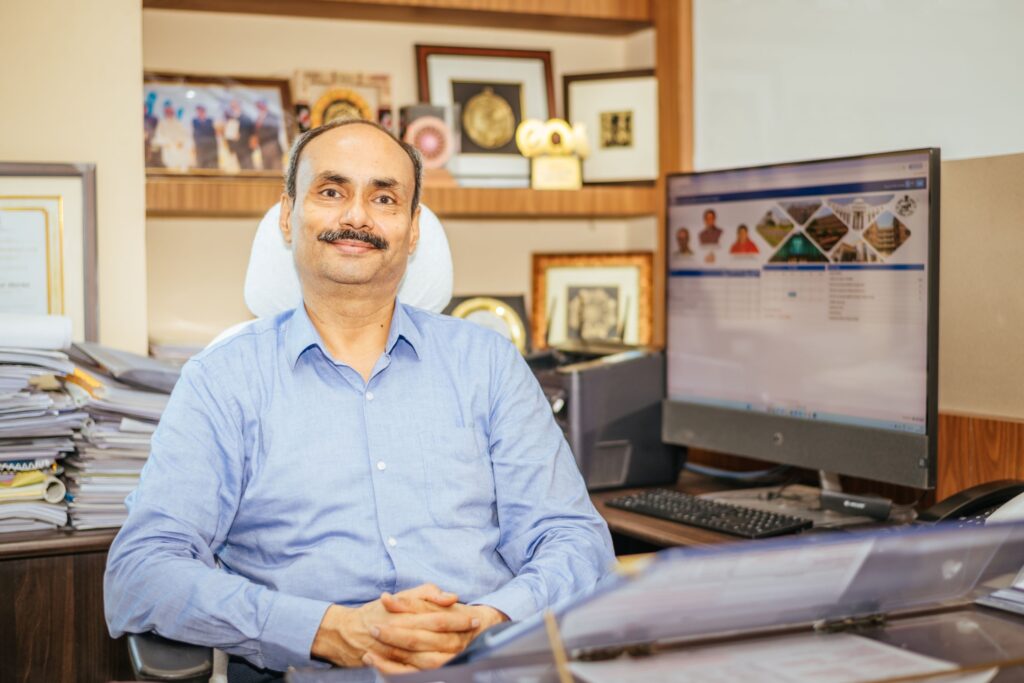
Mr. Hemant Sharma, Additional Chief Secretary, Industries Department, Government of Odisha, outlined the state’s strategic vision to position Odisha as one of India’s most competitive textile and apparel manufacturing destinations. He highlighted how the state’s progressive Textile and Apparel Policy has been designed to address the industry’s key requirements by combining attractive financial incentives with world-class infrastructure, abundant skilled manpower and a highly responsive governance framework.
A key strength of Odisha’s approach lies in its industry-centric development model, where ready-to-move industrial parks, developed land, reliable power and water supply, worker hostels, modular factory plots and plug-and-play infrastructure significantly reduce project implementation time. The policy further enhances competitiveness through capital investment subsidies, wage support, reimbursement of EPF and ESI contributions, power tariff incentives and SGST reimbursements, making Odisha one of the most attractive investment destinations for textile and apparel manufacturers.
Mr. Sharma also emphasized Odisha’s long-term vision of creating an integrated textile ecosystem. Having successfully attracted leading apparel manufacturers, the state is now focusing on bringing investments across spinning, weaving, processing, technical textiles, accessories and ancillary industries to complete the value chain. Dedicated textile parks, a Technical Textiles Park, hosiery clusters, common infrastructure, skill development initiatives and improved port logistics are expected to further strengthen the state’s manufacturing ecosystem.
Looking ahead, he expressed confidence that shifting global sourcing strategies, coupled with India’s growing importance in international supply chains, present a significant opportunity for Odisha. With its business-friendly policies, rapid project clearances, competitive operating costs and scalable infrastructure, the state is well positioned to emerge as one of India’s fastest-growing textile and apparel manufacturing hubs, attracting both domestic and international investments.