




Asia’s manmade cellulosic fibre market continues to evolve through deeper collaboration, regional partnerships and product innovation, with Asia Pacific Rayon (APR) leveraging two major industry exhibitions to reinforce its long-term commitment to customers in Indonesia and India.
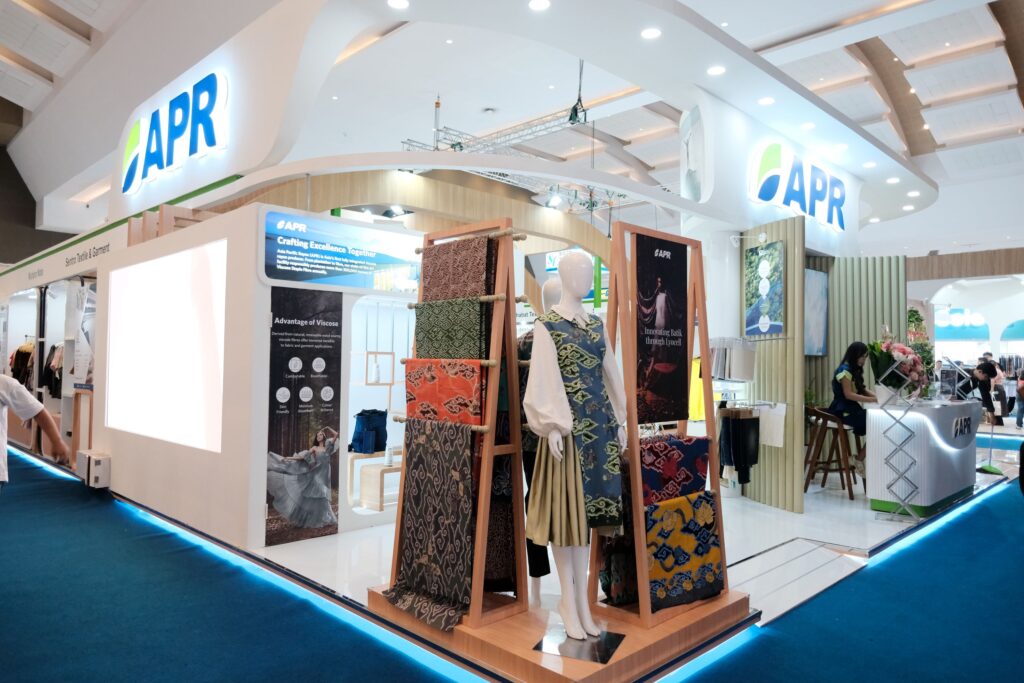
The company, recognised as Asia’s first fully integrated viscose rayon manufacturer, participated in key textile trade events in Jakarta and Mumbai to showcase new opportunities for viscose and lyocell fibres while strengthening relationships across the textile value chain.
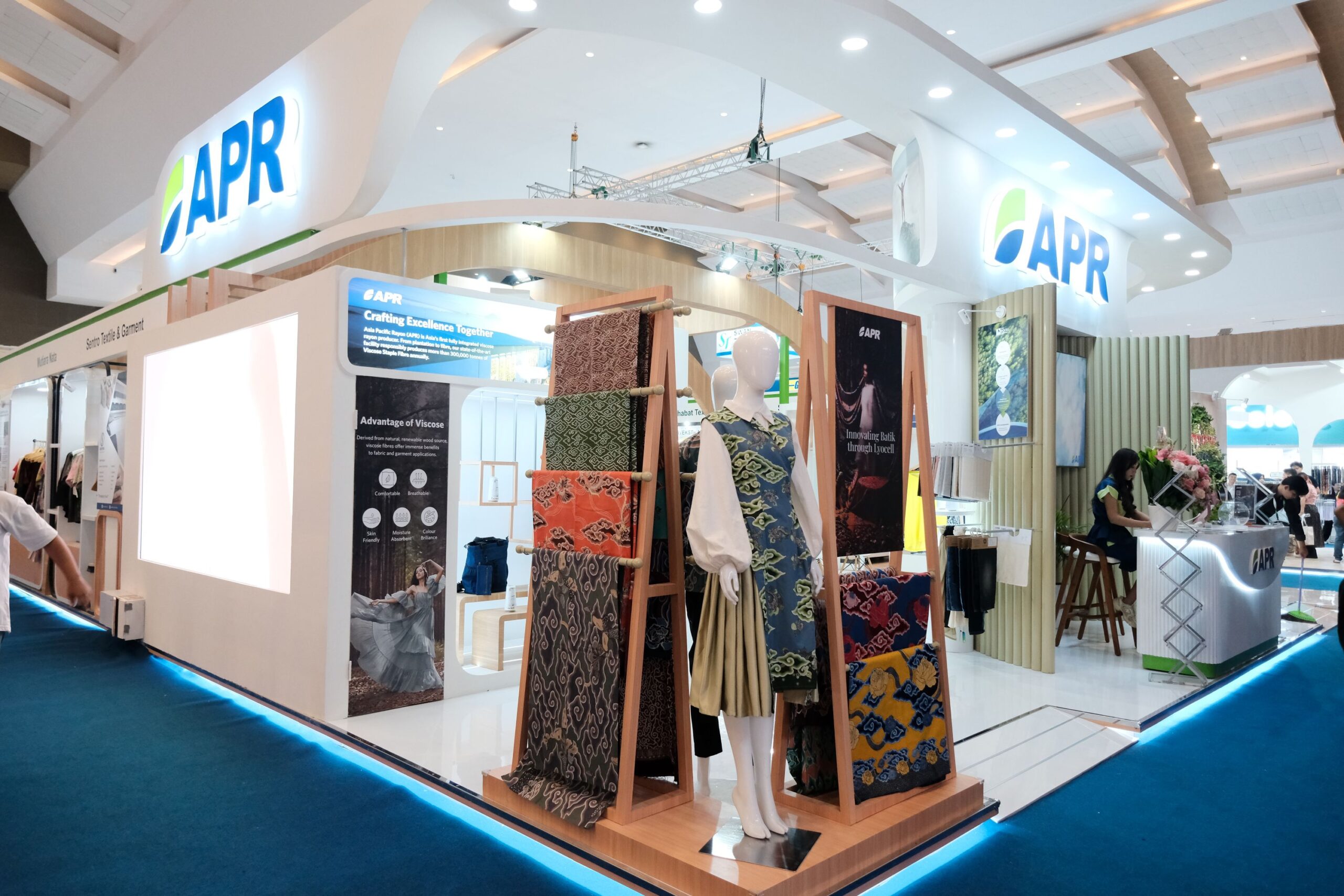
APR, which is a member of the RGE group of companies, marked its eighth consecutive year at Indo Intertex Expo in Jakarta under the theme Nurturing Growth, Strengthening Partnerships. Widely regarded as one of Southeast Asia’s leading textile and garment machinery exhibitions, the event attracts manufacturers, suppliers and buyers seeking new technologies and business opportunities.
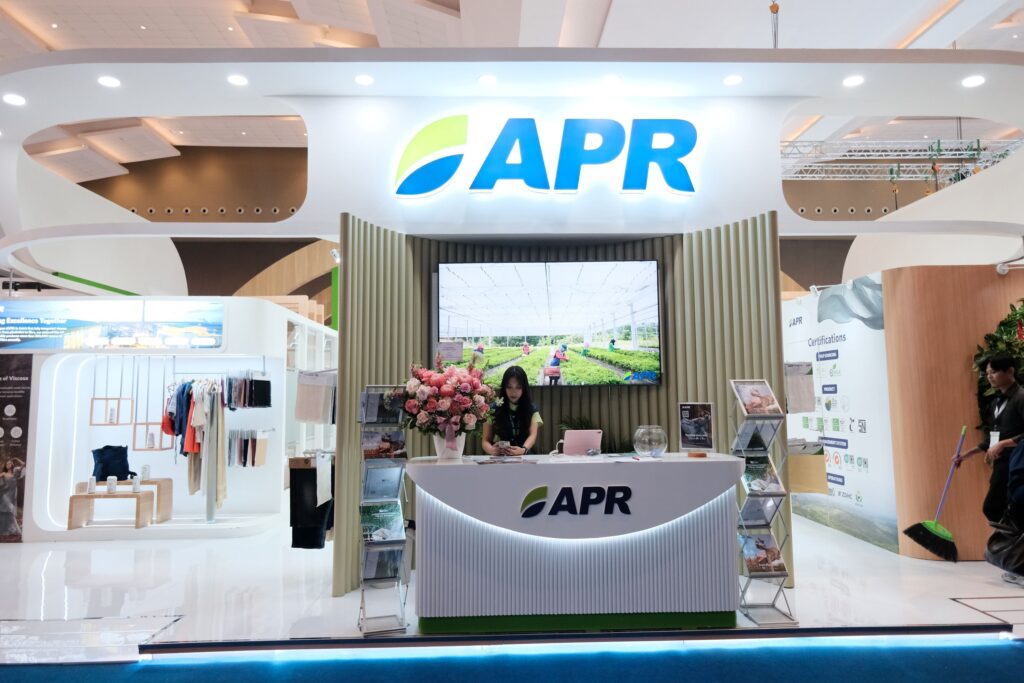
At the exhibition, APR’s stand highlighted the importance of collaboration, featuring seven partner companies involved in spinning, weaving, knitting and garment manufacturing. By presenting these partners together, APR highlighted the interconnected ecosystem that supports Indonesia’s textile sector and the shared value created when fibre producers work closely with downstream manufacturers.
One of the standout features of the Jakarta showcase was a dedicated display of lyocell fabrics designed for batik category. Batik, the wax-resist dyeing craft recognised by UNESCO as part of Indonesia’s cultural heritage, remains a vital part of the nation’s textile identity. Lyocell’s compatibility with traditional dyeing methods offers artisans the opportunity to combine heritage craftsmanship with modern fibre innovation.
The company then turned its focus to India, participating in the Fibers & Yarns Expo in Mumbai under the banner Committed to Growth, Committed to You. Considered one of India’s premier textile trade fairs, the event serves as a key networking platform for the country’s extensive textile supply chain.
The Mumbai exhibition helped to deepen market engagement, develop new partnerships and reconnect with a rapidly expanding customer base. The company also introduced BVF, a finer denier viscose fibre engineered for fine count spinning applications. The product is aimed at premium segments including high fashion, athleisure, intimate apparel and bed linen.
According to APR, the India market continues to present significant growth potential as manufacturers seek reliable fibre supply, product consistency and technical support to meet changing consumer demands both domestically and internationally.
Reflecting on the twin exhibitions, Sachin Malik, Commercial Head, Asia Pacific Rayon, said the current business climate requires companies to think beyond standalone transactions and focus instead on long-term value creation.
“In the current market scenario, success is not a solo pursuit. It is about how effectively we integrate into our customers’ reality,” Malik said. He added that APR’s strategy in both Indonesia and India demonstrates that fibre producers must align their growth with the success of customers and the wider textile value chain.
With regional supply chains under pressure to become more resilient, APR’s exhibition strategy signals a clear message: future growth in textiles will be built not only on innovation, but on trusted partnerships that deliver stability, technical expertise and shared progress.