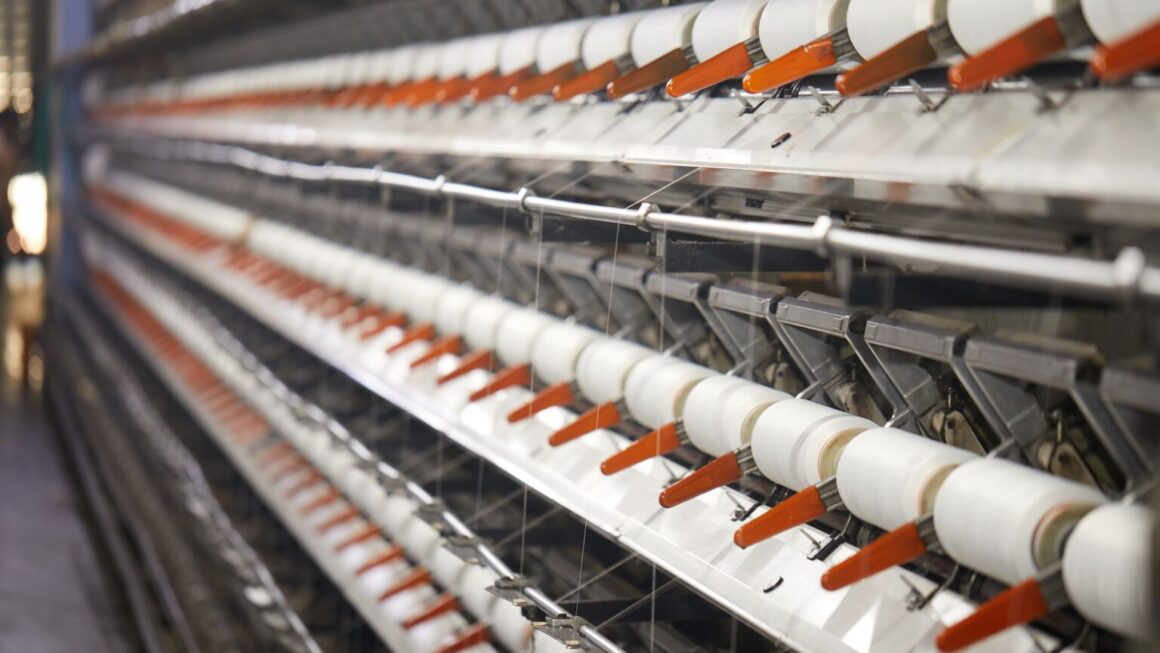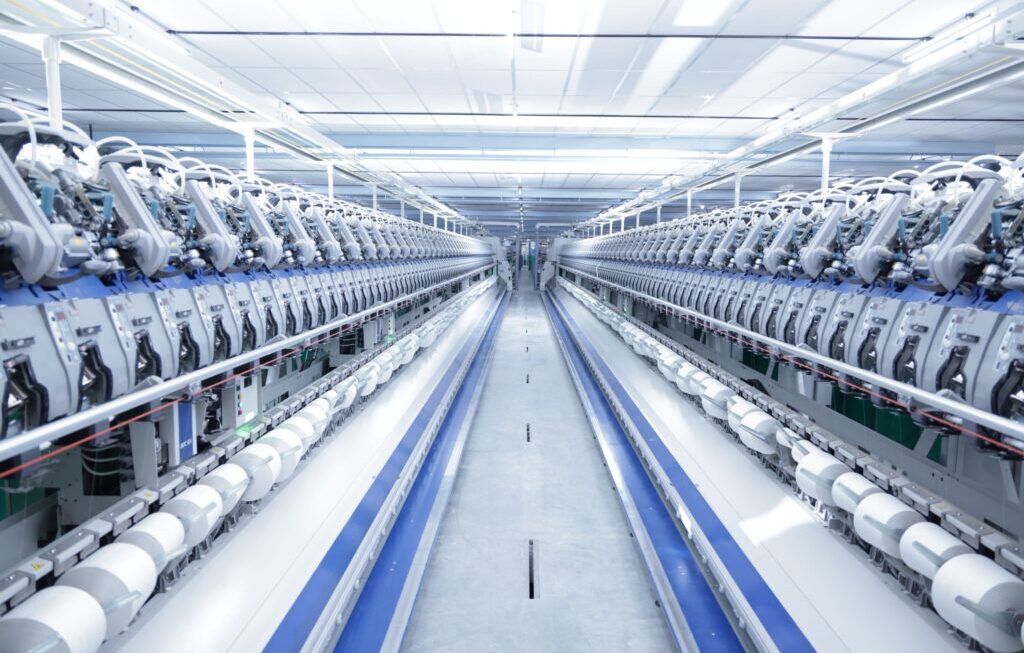







Part of the flagship Aditya Birla Group, Thai Acrylic Fibre Co. Ltd. (TAF) has established itself as one of the world’s largest producers of acrylic fibre, with a stronghold outside of China and Turkey. Headquartered in Bangkok with a state-of-the-art facility in Saraburi, Thailand, the company has been shaping the acrylic fibre industry with its commitment to innovation, sustainability, and customer-centric solutions.
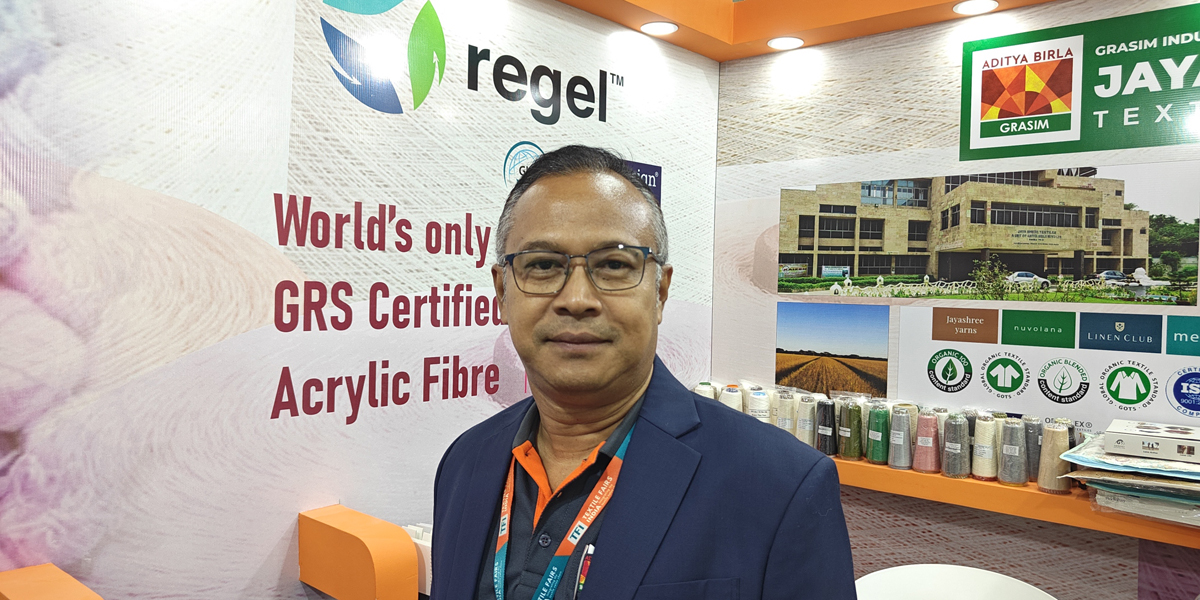
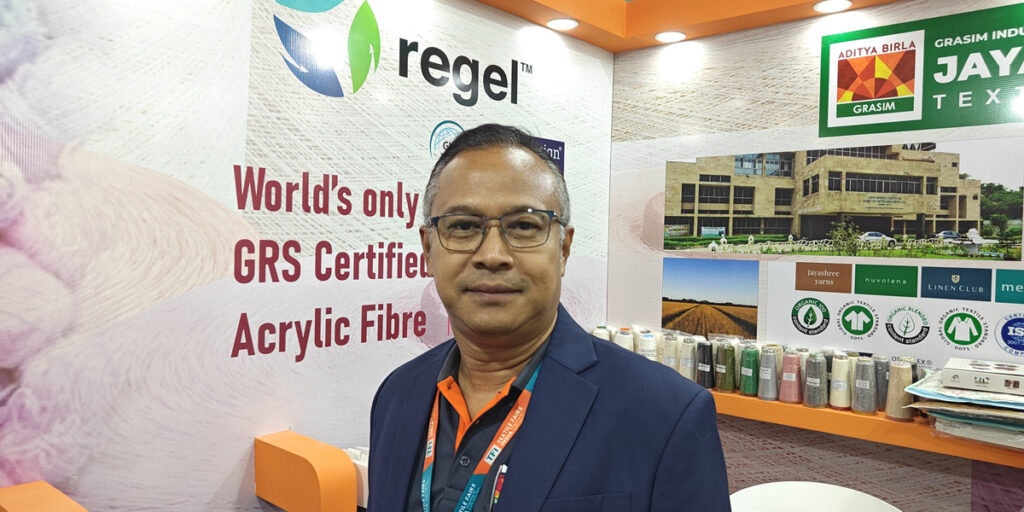
In a conversation with Mr. Karuna Changmai, Vice President – Global Sales Head, TAF’s journey, product portfolio, sustainability initiatives, and strategic focus on specialty fibres came to light.
A Strong Global Footprint
TAF is currently the third-largest acrylic fibre manufacturer globally, and the largest outside China and Turkey. With a nameplate capacity exceeding that of India’s domestic producers combined, the company exports over 95% of its output to key textile and technical textile markets worldwide.
“India alone consumes 7,500-8,000 tons a month, where we hold a significant market share,” explained Mr. Changmai. “Globally, our reach extends across South Asia, South East Asia, China, Turkey, Europe, Latin America & Africa”. This scale not only ensures reliable supply but also positions TAF as a trusted partner for large buyers seeking both volume stability and high-value specialty products.
Product Portfolio: From Fashion to Technical Textiles
Traditionally, In India, acrylic fibres have been associated with sweaters, blankets, and winter wear, particularly in northern regions. However, TAF has redefined the category by diversifying into specialty applications.
Among its flagship products:
- Birlacril™: The standard raw white range of acrylic fibre, widely used across apparel and blends.
- Regel™: A pioneering chemically recycled fibre made from pre-consumer waste generated in TAF’s own operations. With Global Recycled Standard (GRS) certification, it is the only acrylic fibre worldwide with such recognition, approved by leading global brands such as H&M, Inditex.
- Radianza™: A dope-dyed coloured fibre that eliminates water-intensive dyeing processes, contributing to resource conservation.
- Pilbloc™: An anti-pill fibre that enhances longevity and touch of garments.
- Durashine™: A colored fibre designed for long term strength and durability widely used in outdoor and technical textiles.
By expanding beyond traditional uses, TAF has created opportunities in upholstery, lingerie, outerwear, and technical textiles, blending acrylic with polyester, cotton, and other fibres to deliver bulk, bounce, and superior colour brightness.
Sustainability at the Core
Sustainability is not just an add-on for TAF but a defining business philosophy. The company has invested heavily in R&D for sustainablefibres and operates with strict environmental benchmarks.
- Regel™ represents a milestone in sustainable acrylic production, achieving up to 75% recycled content.
- The company is certified by GRS and has scored strongly on the Higg Index, benchmarks that enhance its credibility with global brands.
- Products like Radianza™ reduce water consumption, aligning with the fashion industry’s growing push for circularity and eco-conscious processes.
“Our recycled fibre is a world-first, and international retailers have validated its performance. This is where we see strong momentum,” Mr. Changmai noted.
India: Opportunities and Challenges
India, a large textile hub, remains both a priority and a challenge for TAF. Despite strong demand, local acrylic fibre producers have benefited from anti-dumping duties imposed on imports, limiting the growth of international players like TAF.
“India has always been hampered by anti-dumping. Domestic producers enjoy protection, but spinners struggle to compete internationally with such high input costs,” Mr. Changmai pointed out.
Nevertheless, TAF continues to see opportunities in India, especially in specialty fibres, new applications, and growing awareness among spinners. Segments like activewear, upholstery, and technical textiles are emerging as growth areas.
Competing Through Specialisation
While TAF once competed as a low-cost producer, the company has shifted its strategy towards value-added and specialty products.
“In basics, competing with subsidised local players is tough. Our strength lies in specialties like anti-pill, gel-dyed, outdoor, and recycled fibres, where we are already having significant share in markets like China, Turkey, and Africa”, explained Mr. Changmai.
The company’s large capacity also provides a critical edge in terms of supply assurance. Customers can rely on TAF’s delivery commitments throughout the year, making it a dependable partner for international brands.
Looking Ahead: New Applications and Market Development
Although the global acrylic market faces substitution pressures from polyester, TAF is actively working on new applications to sustain growth. Currently, 20% of its sales come from value-added products, a share that is expected to rise further as specialty fibres gain traction.
India, despite policy barriers, remains central to TAF’s strategy. “India has people, demand, and entrepreneurial energy. The potential is huge, and we believe with greater awareness and policy clarity, this market can grow exponentially,” said Mr. Changmai.
In addition, the company continues to strengthen its global sales network, with local representatives in India, China, Turkey & Pakistan, ensuring strong on-ground support for its customers.
From its base in Thailand, Thai Acrylic Fibre has grown into a global leader in acrylic fibres, setting benchmarks in sustainability, specialty product innovation, and customer partnerships. While challenges remain in markets like India, TAF’s strategy of focusing on value-added applications and sustainable solutions positions it well for the future.
As Mr. Changmai summed up: “We are not just selling fibre—we are building solutions for sustainability, performance, and new applications. That is where we see the future of acrylic.”