










As part of the prestigious LNJ Bhilwara Group, RSWM Ltd. has long been recognized as one of India’s foremost integrated textile companies, spanning the value chain from yarns to denim to knitted fabrics. With over six decades of heritage and a strong reputation for quality and innovation, the company is now charting an ambitious new course under RSWM 2.0, a transformation blueprint designed to drive agility, growth, and sustainability in an evolving global textile landscape.
The Dawn of RSWM 2.0
For Riju Jhunjhunwala, Chairman & Managing Director and CEO, RSWM 2.0 represents more than just another milestone. “RSWM 2.0 marks more than a transition—it’s a commitment to agility, innovation, and sustainable growth. As we embrace a future of opportunity, our mantra is clear: ACT. ACT. ACT,” he asserts.
This program introduces a cultural and operational reset across the organization, emphasizing speed, digital integration, and leadership development. A refreshed CXO suite, alongside the appointment of Rajeev Gupta as Joint Managing Director, signals the seriousness of this transformation. Gupta, with over three decades of experience in textiles and home textiles, is known for his turnaround expertise and profitability-driven leadership.
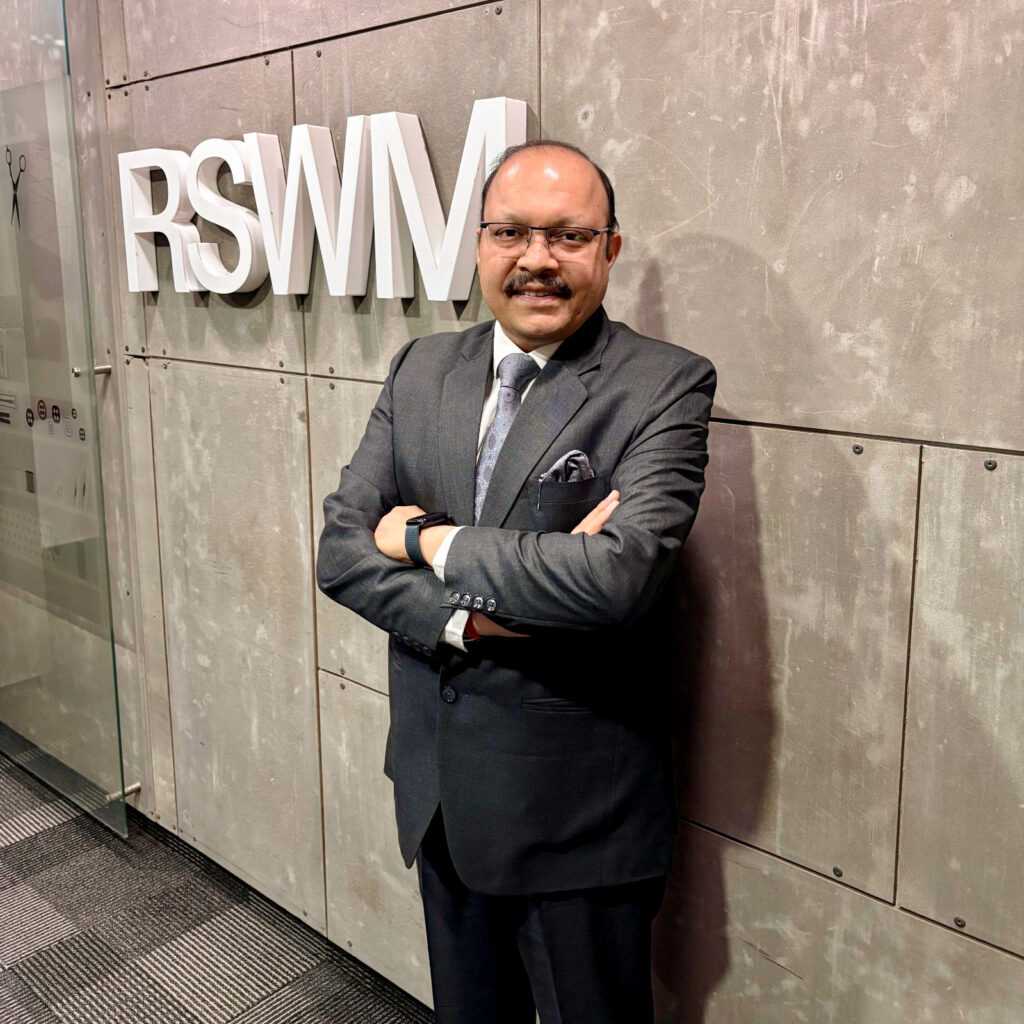
“We looked back to honour our roots and ahead to reimagine what’s possible, this is the fabric of RSWM 2.0,” Gupta explains.
Strategic Investments and Capacity Expansion
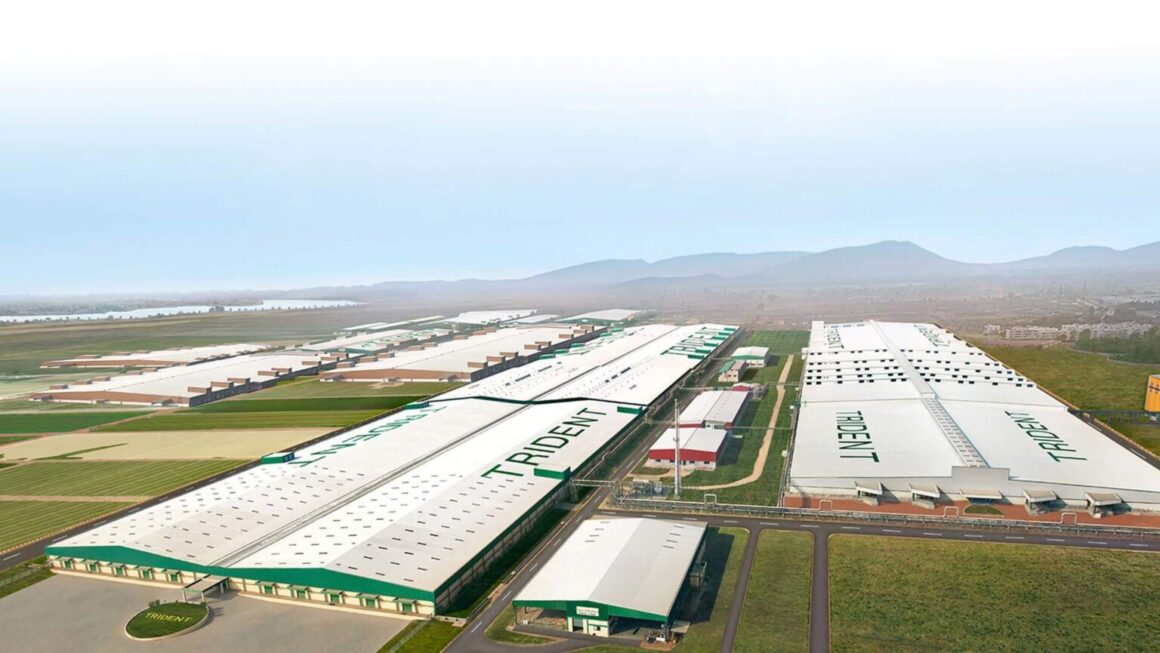
RSWM’s operational strength is anchored by a network of facilities across Kharigram, Mandpam, Kanyakheri, Rishabhdev, Ringas, Mordi, Mayur Nagar (Lodha), and Chhata (Mathura). These hubs specialise in spinning, fibre and yarn dyeing, denim weaving, knitting, and finishing, ensuring seamless integration across the textile value chain.
In FY25, RSWM faced challenges from volatile cotton prices and subdued demand. Yet, by the second half, order inflows improved, capacity utilisation strengthened, and the company ended the year with a positive bottom line. The yarn division achieved an average utilisation rate of 92%, while denim and knitted fabrics clocked around 91% and 67%, respectively. Looking ahead to FY26, RSWM’s priorities are clear: expand global footprint with value-added products, enhance capacity utilisation, and focus on power efficiency through renewable energy and biofuel boilers.
“Expanding into new markets, enhancing product offerings, and integrating advanced technologies will remain our primary priorities,” says Jhunjhunwala. “Strategic investments in renewable energy, along with a commitment to innovation and value addition, will be pivotal in driving our long-term growth.”

Product Portfolio and Solutions
RSWM is among India’s largest exporters of synthetic, blended, mélange, cotton, and speciality yarns. The yarn vertical is sharpening its focus on high-value blends and export-oriented products, with an eye on improving customer mix and margins.
Its fabric division continues to innovate in denim while aggressively scaling its knits business—a segment positioned as a cornerstone of future growth. The company’s knitted portfolio spans Single Jersey, Interlock, Rib, Fleece, Terry, Flat Back Rib, Honeycomb, Pique, Waffle, and Foma fabrics. With advanced knitting infrastructure at Mordi (Banswara) and Chhata (Mathura), RSWM delivers breathable, durable, and specialty fabrics engineered for apparel, activewear, and lifestyle applications.
Sustainability at the Core
Sustainability is central to RSWM 2.0, embodied in initiatives like PET bottle recycling at Ringas, which produces 130 MT per day of recycled polyester fibre. This facility supports circular economy goals, reducing reliance on virgin polyester and addressing the rising demand for eco-friendly raw materials.
The company is also transitioning from coal to biofuel-fired boilers, targeting significant reductions in its carbon footprint. In FY25, RSWM achieved a 32.5% reduction in energy consumption and a 25% cut in greenhouse gas emissions.
In a pioneering move, RSWM launched the Panchtatva Initiative, inspired by the five elements of nature. This program combines ancient Indian wisdom with modern technology, promoting sustainable textiles aligned with India’s Mission LiFE vision of eco-conscious living.
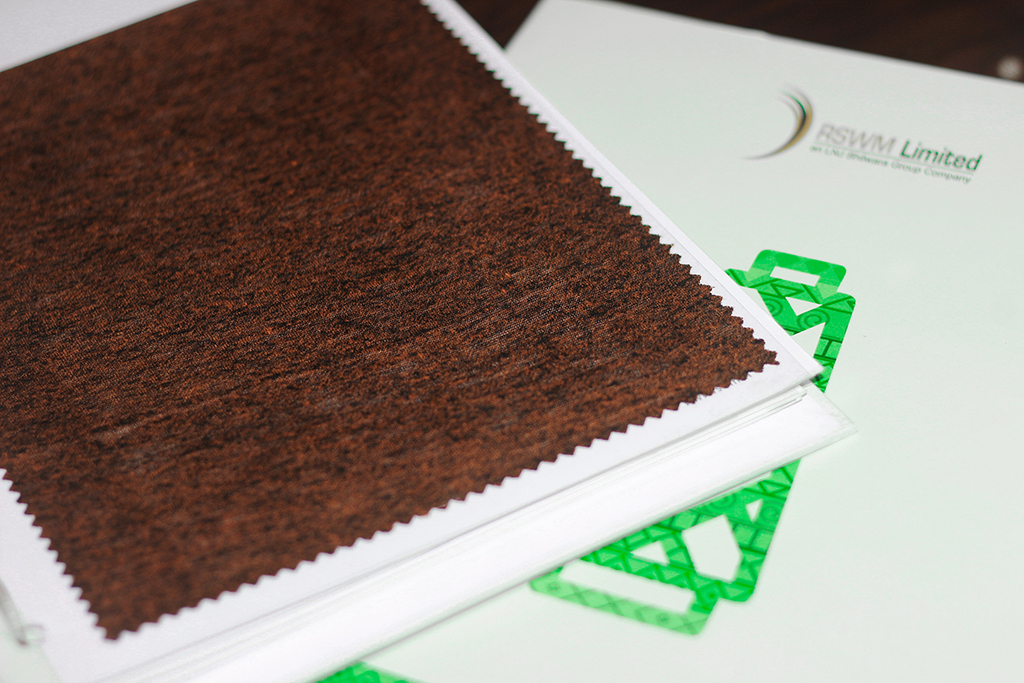
Additionally, RSWM has entered a Joint Development Agreement with Birla Cellulose and TACC Limited to create graphene-enhanced functional textiles, leveraging graphene’s strength, conductivity, and lightweight nature to develop next-generation fabrics.
“Our sustainability efforts are not cosmetic—they are deliberate, impactful, and integral to our growth strategy,” Gupta emphasizes. “From recycling to renewable energy and breakthrough innovations like graphene textiles, we are creating a future-ready RSWM.”
Embracing Industry 4.0
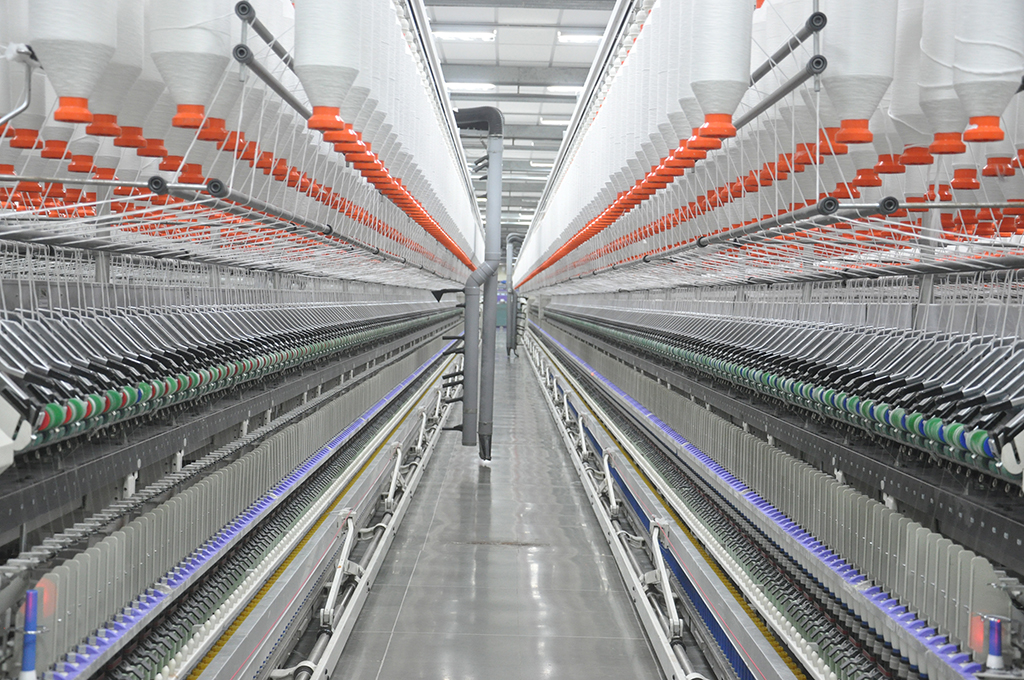
Digital transformation underpins RSWM 2.0. The company is deploying AI-driven forecasting, machine learning models for demand prediction, and IoT-enabled sensors to optimize production and improve decision-making. These tools are designed to lower inventory costs, enable predictive maintenance, and enhance product quality.
Lean strategies have already resulted in operational savings through smarter workforce planning and process improvements. This shift towards intelligent manufacturing strengthens efficiency and resilience across RSWM’s facilities.
Navigating Global and Domestic Opportunities
RSWM’s leaders view both global and domestic landscapes with optimism. The recently ratified India-UK Free Trade Agreement is expected to boost textile exports by US$1 billion, while political instability in Bangladesh has opened new avenues for Indian exporters. Domestically, rising disposable incomes, e-commerce growth, and favourable government policies are expanding demand for textile products.
“The Indian textile industry is strategically positioned for sustained growth,” Jhunjhunwala notes. “Economic acceleration, trade agreements, and the China+1 sourcing strategy all align in India’s favour. RSWM will capitalise on these tailwinds with agility and innovation.”
Future Growth Blueprint
As RSWM advances into FY26 and beyond, its roadmap revolves around three pillars:
- Market Expansion – Deepening global penetration with value-added products.
- Operational Excellence – Driving efficiency through lean strategies, renewable energy, and digitalisation.
- Sustainable Growth – Reinforcing leadership in eco-friendly textiles through recycling, biofuels, and green innovation.
Both leaders are aligned in their vision.
Jhunjhunwala: “We stand at a juncture of immense opportunity. The operative words for us will be ACT. ACT. ACT.”
Gupta: “RSWM 2.0 is not a cosmetic shift—it is a cultural reset that places agility, profitability, and sustainability at the heart of everything we do.”
RSWM’s journey from a heritage textile leader to a future-ready, sustainability-driven powerhouse reflects the spirit of transformation at the heart of RSWM 2.0. With strong leadership, bold investments, and innovative initiatives, the company is poised to strengthen its position in global textiles, redefine benchmarks in quality and sustainability, and create long-term value for stakeholders.
In the words of its leaders, the company is not just weaving textiles—it is weaving the fabric of the future.