







Pearl Global Industries Limited (PGIL), one of India’s largest listed garment exporters, has reaffirmed its position as a global apparel powerhouse with a strong performance in Q2FY26 and a renewed focus on sustainable, technology-driven growth. The company, which operates across multiple sourcing regions — India, Bangladesh, Vietnam, Indonesia, and Guatemala — reported record operational achievements and significant progress on its ongoing ₹250 crore investment plan aimed at capacity expansion, digitization, and technological upgradation.
Strong Performance Amid Global Volatility
In Q2FY26, Pearl Global shipped 19.9 million pieces, the highest-ever in its Q2 series, marking an increase from 19.3 million pieces in Q2FY25. This milestone underscores the company’s operational efficiency and resilience amid an evolving global trade environment.
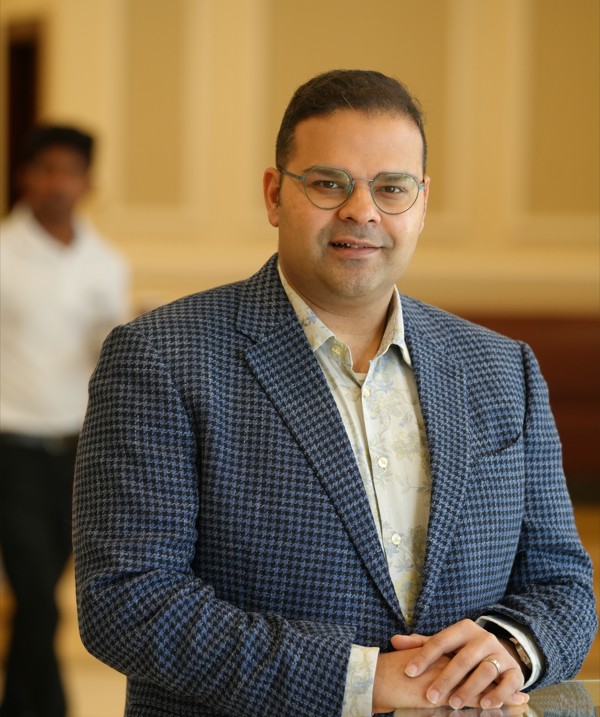
Sharing his perspective on the company’s performance, Mr. Pulkit Seth, Vice-Chairman & Non-Executive Director, Pearl Global Industries Limited, said: “We are delighted to report another quarter of encouraging performance in Q2FY26 despite uncertain and volatile geo-political and macroeconomic conditions. Consolidated revenue for H1FY26 crossed the ₹2,500 crore milestone, reaching ₹2,541 crore, a growth of 12.7% year-on-year. This marks a significant achievement, underscoring the strength of our diversified, multi-country manufacturing model.”
The company’s performance was driven by double-digit volume expansion in Vietnam and Indonesia, which continue to demonstrate strong operational metrics. These hubs have validated the company’s strategic foresight in creating a multi-hub production model that combines scale with agility — a crucial advantage amid changing trade dynamics. Mr. Seth added, “We are closely tracking developments in the US tariff landscape and expect normalization in the coming quarters. Our diversified footprint allows us to recalibrate swiftly to meet demand across high-growth markets. With a strong customer base across the US, UK, Japan, and Australia, and the potential of new FTAs, we remain well-positioned to capture increased global demand.”
Operational Resilience and Profitability
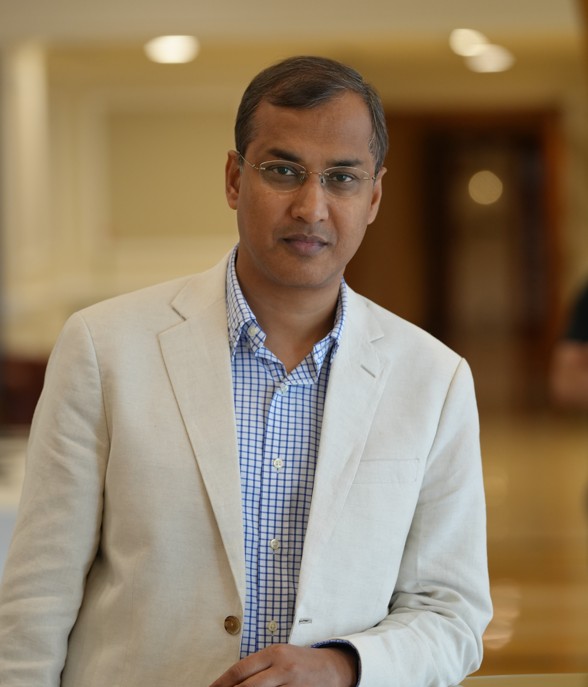
Mr. Pallab Banerjee, Managing Director, emphasized the company’s ability to maintain operational excellence and margin improvement even in a challenging trade environment. “We are pleased to share another quarter of strong financial performance, reflecting the resilience of our operations amid an evolving trade environment. In Q2FY26, Pearl Global achieved revenue of ₹1,313 crore and improved profitability, with an adjusted EBITDA (excluding ESOP costs) of ₹122 crore and margins at 9.3%, up by 108 basis points year-on-year.
Excluding tariff-related costs and initial losses at new facilities in Guatemala and Bihar, EBITDA margins stood at 10.1%, supported by an improved product mix and higher realizations from Vietnam and Indonesia. The company’s strategic diversification continues to yield results. The USA now contributes around 50% of group revenue, down significantly from 86% in FY21, as Pearl Global expands its presence in Australia, Japan, the UK, and the EU. Within India, it is accelerating the onboarding of leading domestic customers to further strengthen its order book and ensure near-term stability.
₹250 Crore Capex Driving Technology and Sustainability
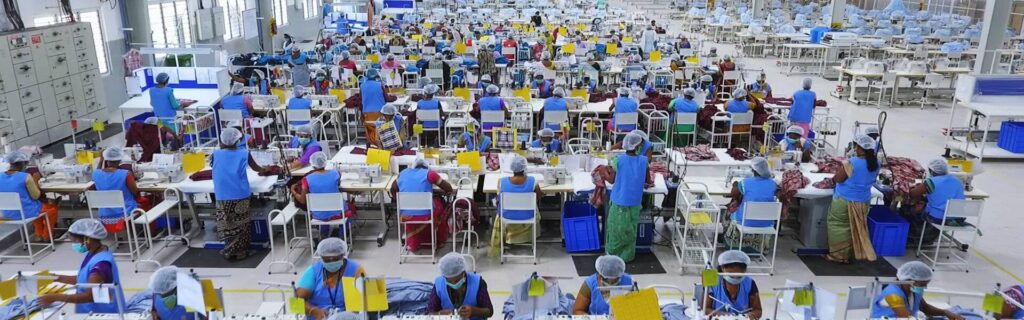
At the heart of Pearl Global’s forward-looking strategy lies its ₹250 crore investment plan, aimed at scaling production, enhancing sustainability, and improving operational efficiency. The expansion includes adding 5–6 million pieces of capacity in Bangladesh and 2.5–3.5 million pieces in India, complemented by significant digitization of its supply chain to enhance transparency, agility, and responsiveness.
One of the most noteworthy technological advancements this year is the company’s adoption of the eFlow Nanobubble technology at its Bangladesh facilities. This breakthrough replaces traditional water-based washing methods with a system that delivers substantial sustainability gains — achieving up to 32% water savings, 9% reduction in power consumption, and 20% improvement in time efficiency. As Mr. Banerjee elaborated, “We continue to invest in India and Bangladesh to drive capacity expansion, sustainability, and efficiency improvement. Our capex plan is not only about scale but also about responsible growth — integrating advanced technologies that reduce resource consumption and strengthen our ESG commitments.”
Future-Ready Through Diversification and Digitalization
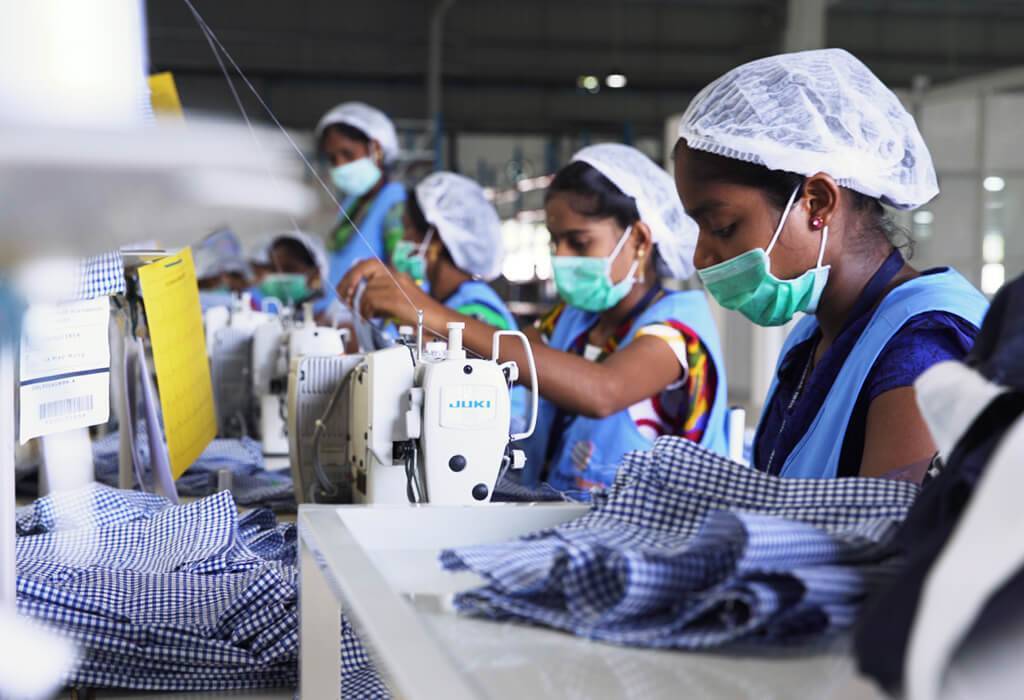
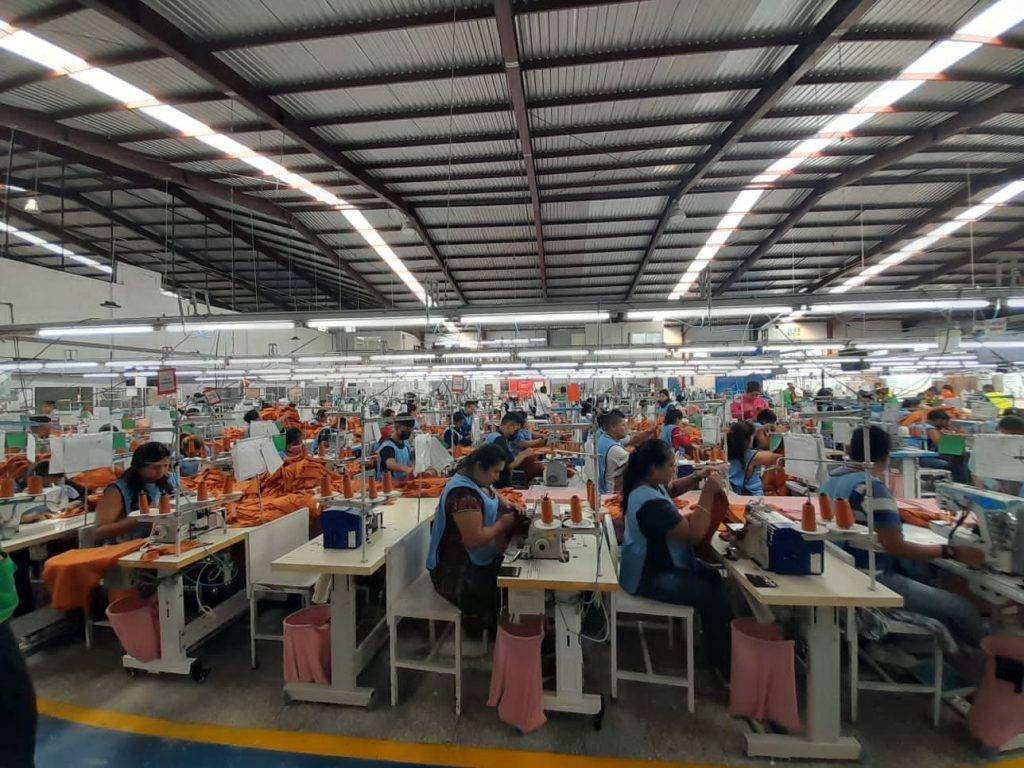
Pearl Global’s multi-country production ecosystem — spanning 25 manufacturing units across India, Bangladesh, Vietnam, Indonesia, and Guatemala — offers a total capacity of over 93 million pieces per year. This diversified model insulates the company from regional disruptions while allowing it to leverage competitive advantages in labor, logistics, and compliance across geographies.
The company’s ongoing digital transformation aims to build an integrated, transparent, and intelligent supply chain that enhances traceability and agility — crucial capabilities as global brands increasingly demand accountability and speed from their sourcing partners.
Sustaining Growth Through Responsible Innovation
Pearl Global’s strategy of disciplined execution, operational resilience, and sustainable innovation continues to strengthen its position among the world’s leading garment manufacturers. Its customer portfolio includes marquee global brands such as Chico’s, Kohl’s, Muji, Old Navy, Primark, PVH, Ralph Lauren, Stylem, Target, and others. As Mr. Seth concluded, “We are entering the second half of FY26 on a strong footing, driven by a clear vision — sustainable, profitable growth anchored in technology, agility, and long-term stakeholder value creation. With a robust order book, diversified customer base, and continued investment in innovation, Pearl Global is well-prepared to sustain its growth momentum and reinforce its leadership in the global apparel industry.”
With a forward-looking approach that blends sustainability, scale, and smart manufacturing, Pearl Global is not just adapting to the future of fashion — it is shaping it.