






By M.Prabhakar and Mohanraj
Karur, one of India’s most vibrant hubs for home textiles, has long been known for its craftsmanship and supply capabilities. Amid this landscape, Metro Fabrics has steadily risen to become one of the region’s most respected and dynamic players in the home textiles domain—combining deep manufacturing expertise with a strong innovation pipeline and an unwavering commitment to sustainability.
As the company gears up for Heimtextil 2026, Managing Partner P. Gopalakrishnan reflects on Metro’s journey, its market strategy, and its expanding ambitions in an exclusive interaction.
A journey build on reinvention
Metro Fabrics began its operations in 1989, initially serving the domestic market. But within a decade, the company pivoted into global manufacturing, a move that would shape its trajectory for decades to come.
“Till 1998 we were producing fabrics for the Indian market. From 1998 to 2002 we were contract manufacturing for a Japanese company. In 2002 we started to export to Europe,” Gopalakrishnan recalls.
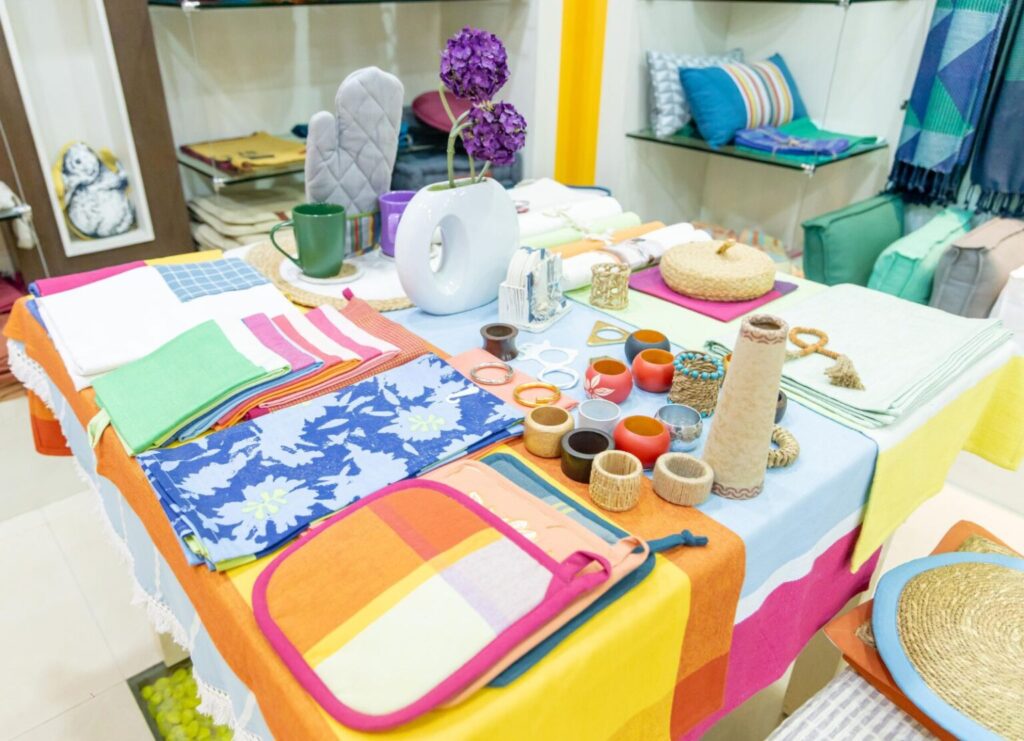
Today, Metro Fabrics works with some of Europe’s most recognized retailers, including Aldi, Lidl, Galeries Lafayette, and Textura. The company entered the US market in 2016, building a solid presence there as well. “We have customers working with us for over 20 years. That means we are that much reputed manufacturers,” he adds with pride.
Diverse product portfolio
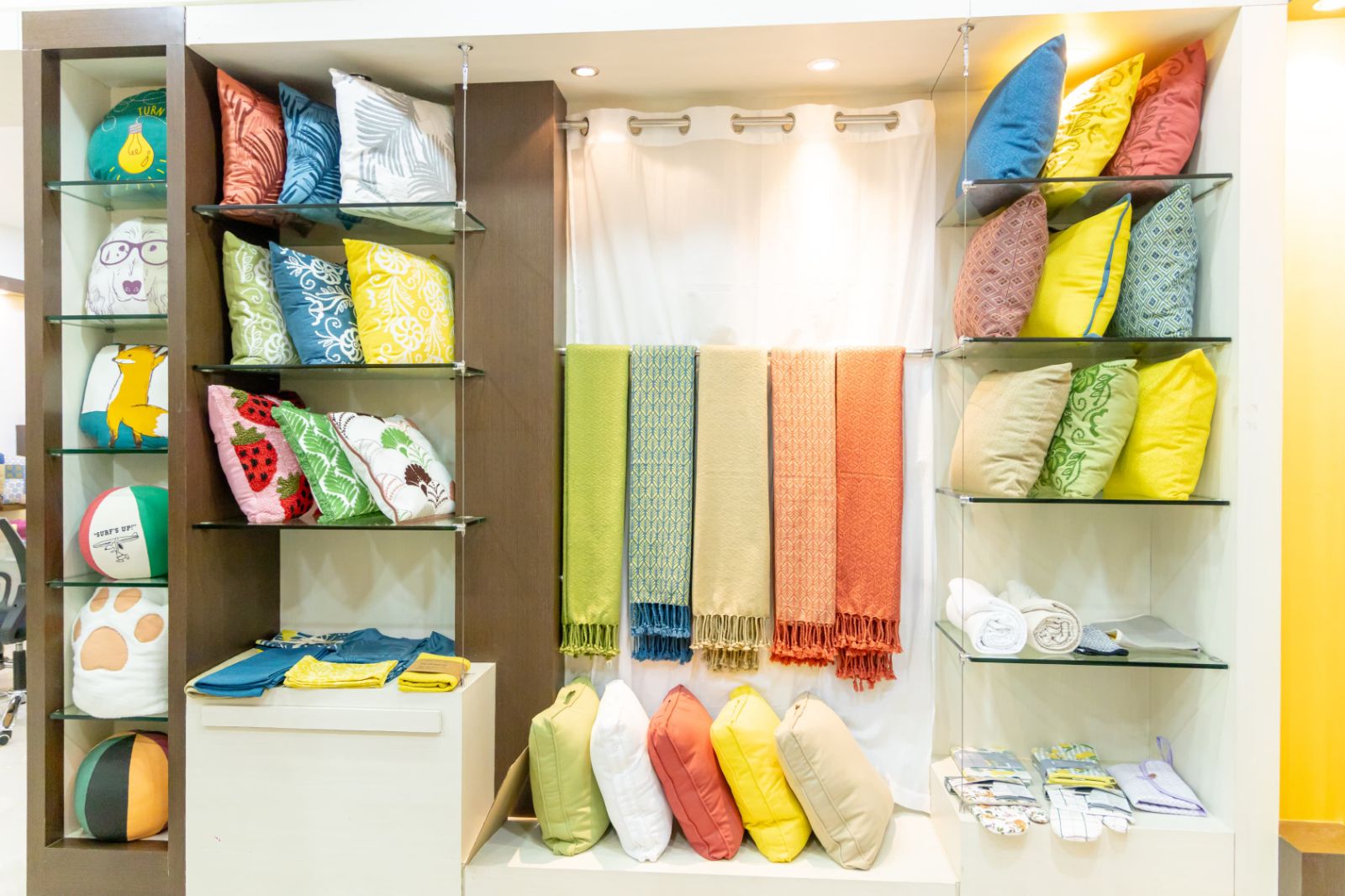
Metro Fabrics is best known for its table, kitchen and living room textiles—categories that Karur excels in. But the company has not allowed itself to be boxed into the conventional cluster profile.
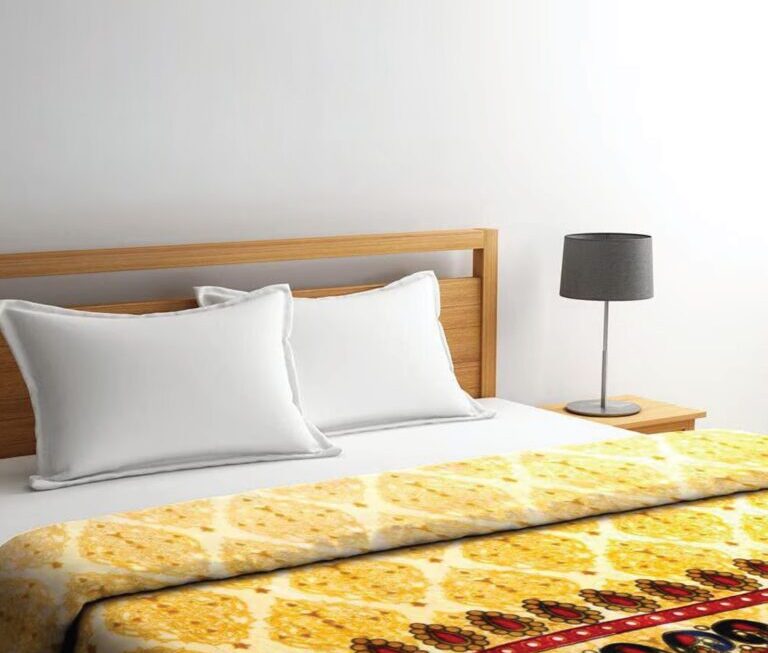
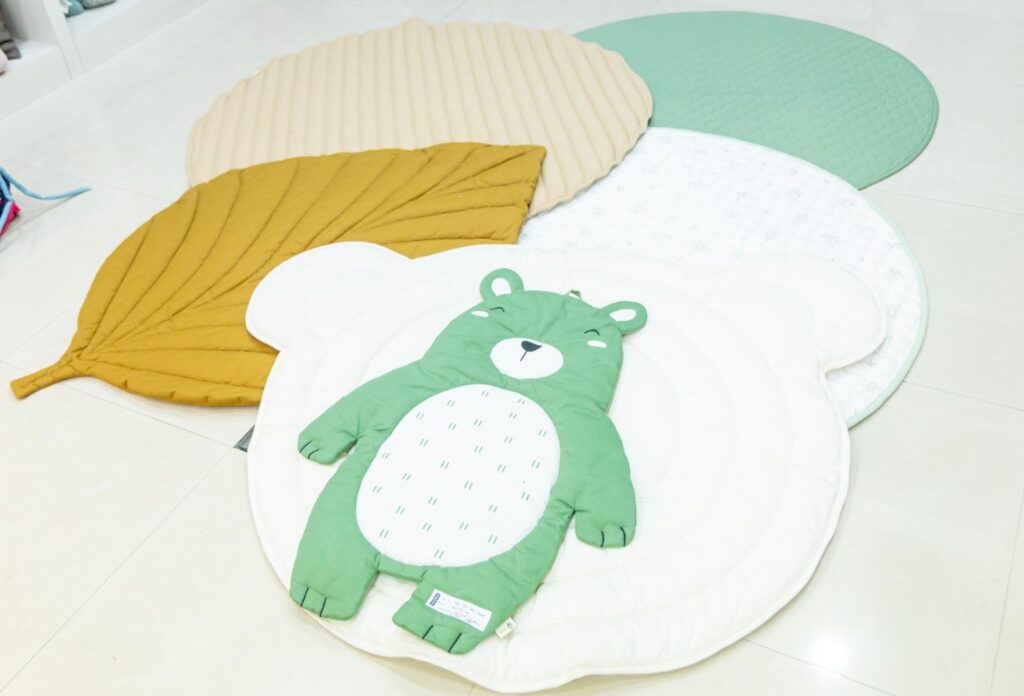
“We have recently started a separate division to produce a bedding line. We are also doing a product line for kids—baby sleeping bags and play mats for children,” he shares.
In addition to these, Metro Fabrics manufactures:
- Storage items and tote bags
- Soft toys for the Japanese market
- Multiple-fiber composition items
- Outdoor-friendly and performance-finished products
The soft toy division, though small in volume, is gaining traction in niche markets, especially in Japan. “We are producing using multiple compositions and fabrics. But the quantities are small,” he says, noting that the category is still in the early stages of development.
Steady through challenges
The year 2025 brought its share of volatility due to tariff issues and economic slowdowns across key markets. “Till June we were very busy—running full capacity. After that, because of the tariff issues and the European slowdown, the inflow of orders was low. But business has started coming again. We have bookings till next June,” he says.
The ability to withstand market turbulence, retain long-term customers, and sustain production cycles underscores the company’s operational resilience.
Innovation at the core
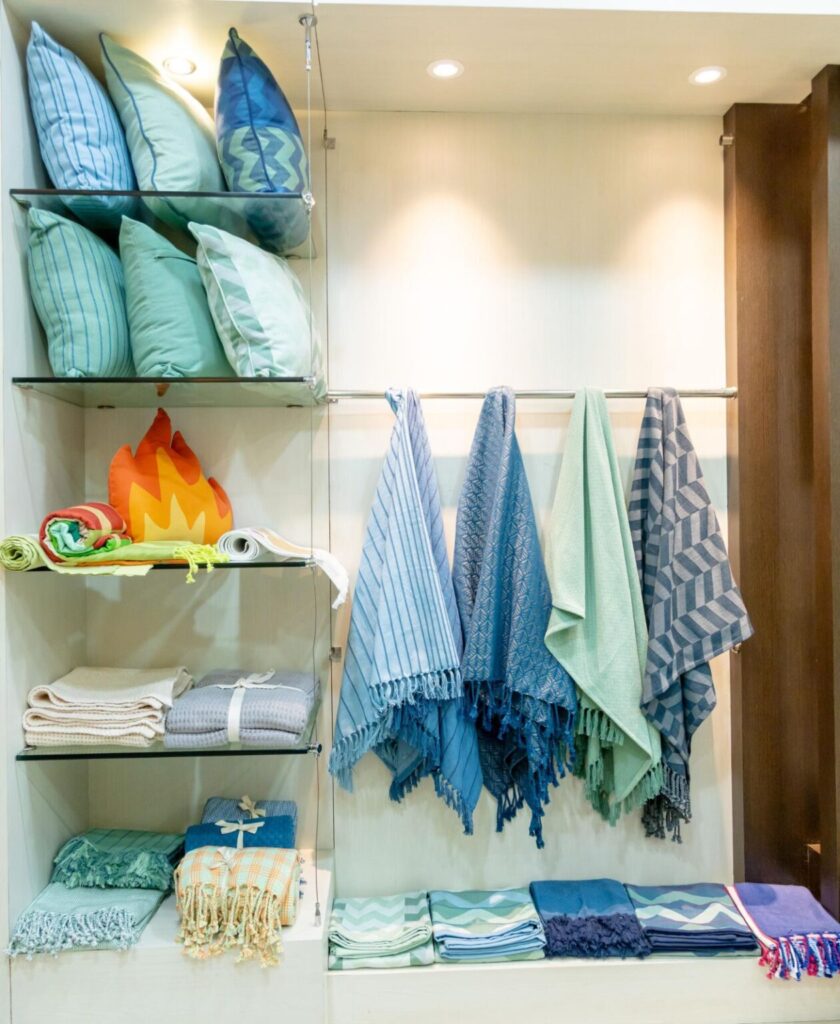
Metro Fabrics has consistently pushed the boundaries of material innovation. Last year, the company introduced 100% organic and naturally dyed products, an initiative that was well-received.
This year, the focus is even more forward-looking. “We are going to introduce post-consumer recycled 100% cotton products. The raw material is recycled from used garments. We are focusing on this at present,” Gopalakrishnan says.
The company is also known for its value-enhanced fabrics. He explains, “Normally what we do is add something with the regular products. For example, when we produce 100% cotton, we add 5% of a high-value fiber. We also make 100% cotton fabric that looks like denim—cost-effective but appearance-wise different.”
This approach—combining affordability with smart value addition—has helped Metro Fabrics remain competitive in both mainstream and premium segments.
Sustainability as a business imperative
Metro Fabrics holds an extensive line-up of certifications covering organic, recycled, social compliance, and traceability standards.
“We have all the certificates required for compliance—organic, recycled, you name it and we have it. And our factory is approved with globally leading retailers,” he says.
With two units in Karur, the company follows several sustainability practices:
- Rooftop solar power
- Use of recycled raw materials
- Collaboration with a wet-processing unit that uses 100% green energy
- Continued upgrades to improve sustainability performance
“We are always trying to upgrade our facilities to improve our sustainability quotient,” he adds.
Special finishes for global markets
Beyond aesthetics and sustainability, Metro Fabrics is equipped to deliver functional enhancements required by specific international markets.“We do antimicrobial treatments and fire-retardant products. Floor cushions or seat cushions for the UK market must have fire-retardant finishes,” he explains.
Other capabilities include:
- Heat-resistant finishes for mittens and pot holders
- Blackout finishes for curtains
- Waterproof coatings
- Outdoor cushions that withstand rain
“You can keep those cushions in the rain. 100% polyester bio-finish and waterproof treatment—we can do all these,” he says.
Industry outlook: Cautious but positive
Gopalakrishnan, who also serves as Chairman of the Karur Textile Manufacturers Exporters’ Association (KTMEA), believes that India’s recently signed FTAs will unlock opportunities once fully operational. “The US tariff negotiations are going on. We are positive and things will be better going forward,” he notes.
For the Karur cluster, he emphasizes the need for diversification. “We are competing with each other with the same conventional textiles. We have to diversify and identify new markets and new products. This is our basic need as of now.”
KTMEA has set an ambitious vision: Rs. 25,000 crore exports from the cluster by 2030.
Future plans: Technical textiles
Metro Fabrics is now gearing up for its next leap. “We want to expand into technical textiles, especially non-leather shoe fabrics. We are working on it,” he says.
Another key vertical is defence textiles, a domain with high growth potential. With the MITRA Park coming up in Virudhunagar, the company plans to set up a processing unit there to strengthen backward integration. “We are also forming a team to work on e-commerce,” he reveals, signaling the company’s readiness to embrace digital retailing.
Inviting the world to Heimtextil 2026
Signing off, Gopalakrishnan extends a warm invitation to customers and trade visitors. “You can find us at Hall No. 8.0, Booth: G70 at Heimtextil. We look forward to interacting with customers from around the world at the event,” he says.