
-150x150.jpg)





By K. Gopalakrishnan
With a rich legacy spanning over eight decades, Garden Silk Mills has embarked on a remarkable transformation under the leadership of The Chatterjee Group. Backed by one of India’s most integrated polyester value chains—from PTA production to premium yarns, fabrics and fashion products—the company is investing aggressively in modernization, specialty yarns, sustainability and next-generation technologies. In this exclusive interview, Mr. Amitava Banerjee, Chief Executive Officer, Garden Silk Mills Private Limited, shares how the company is leveraging its integrated manufacturing strengths, expanding its portfolio of value-added products, embracing renewable energy and circularity, and positioning itself to capitalize on India’s growing opportunities in man-made fibres and global textile markets.
Could you briefly introduce Garden Silk Mills and share what differentiates it in today’s competitive textile industry?
Garden Silk Mills is one of Surat’s oldest and most respected textile enterprises, with a legacy dating back to the 1940s when it was founded by the Shah family. The company witnessed its golden phase during the 1970s, 1980s and 1990s, when it revolutionized the Indian saree market with exquisitely printed polyester sarees in silk, chiffon, organza, georgette and other premium synthetic fabric styles . The iconic Garden brand became synonymous with elegance and quality, with owning a Garden saree becoming an aspiration for women across the country. Our innovative floral designs, contemporary styling and pioneering use of celebrity endorsements set new benchmarks for the industry, creating a strong brand identity that many others sought to emulate.
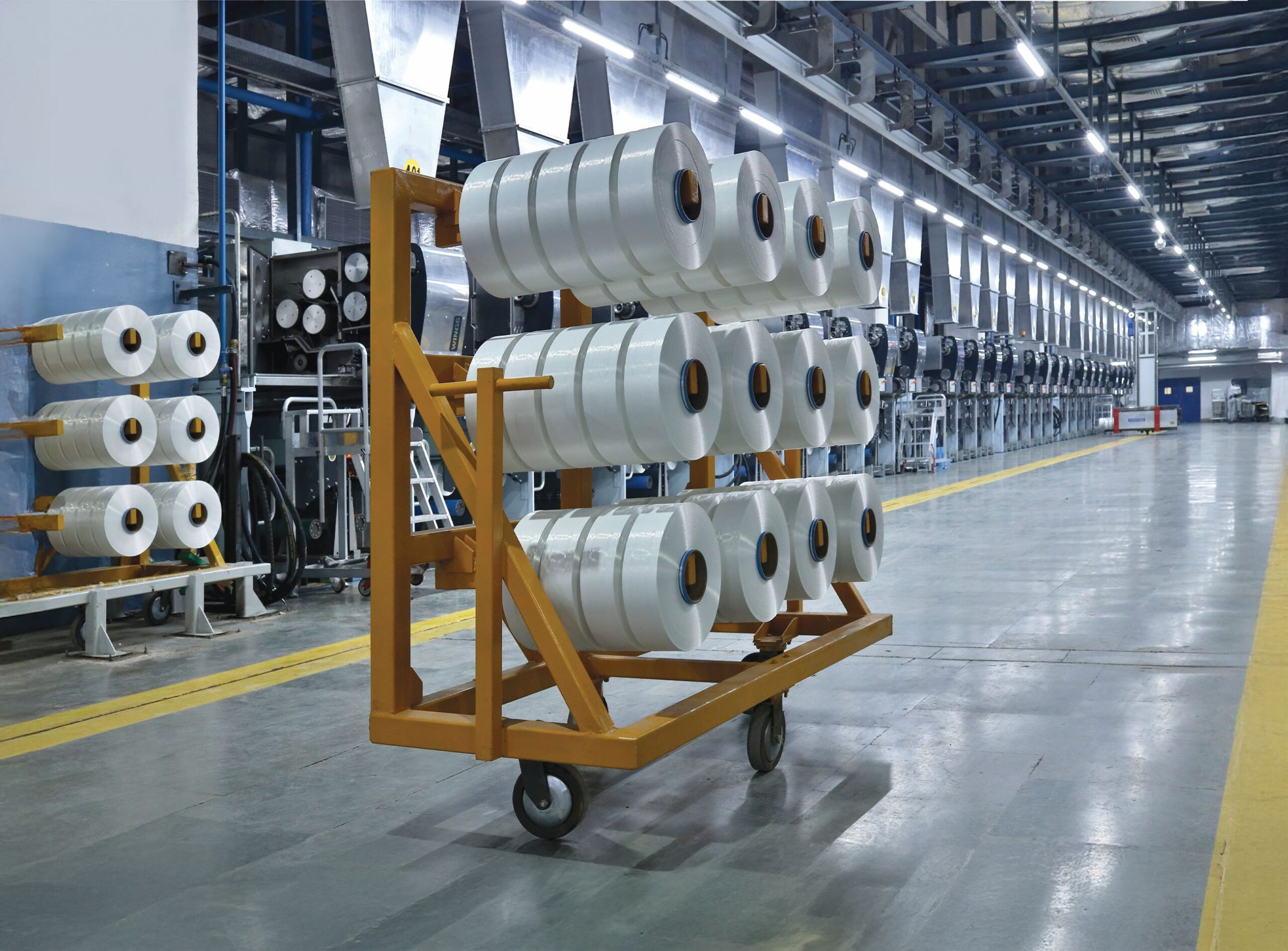
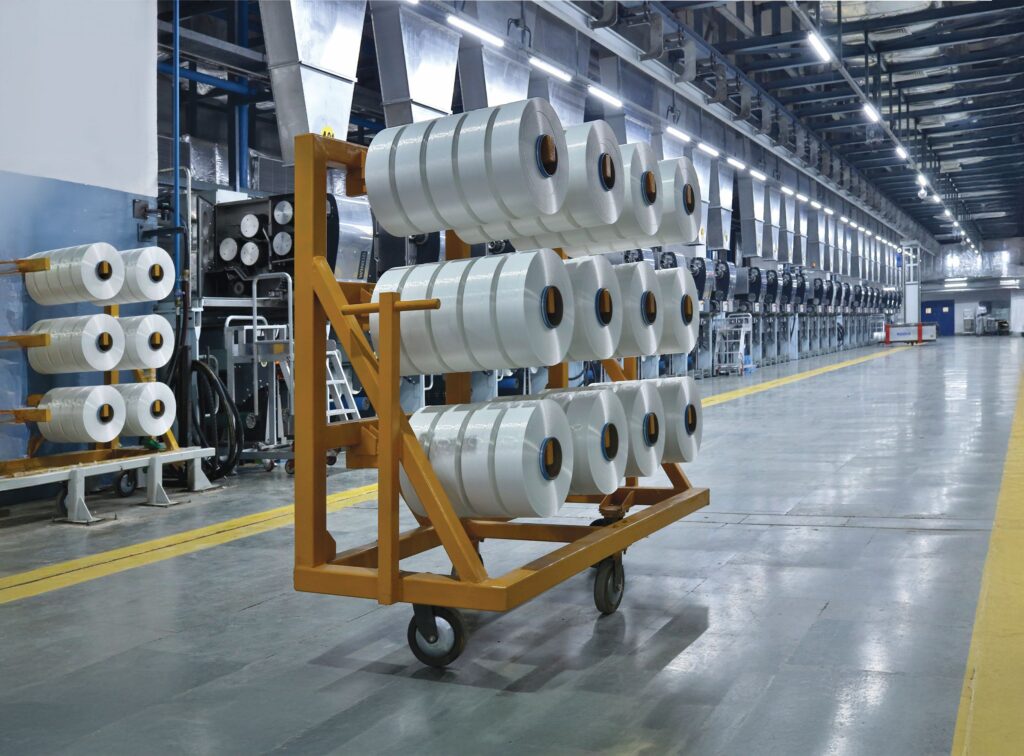
A new chapter began in 2021 when Garden Silk Mills was acquired by The Chatterjee Group through its wholly owned subsidiary, MCPI Private Limited. This acquisition significantly strengthened our competitive position, as MCPI is India’s leading producer of high-quality Purified Terephthalic Acid (PTA), the principal raw material for polyester manufacturing. Today, the business comprises Garden Silk Mills Pvt Ltd at Jolwa, which manufactures polyester filament yarns including POY, FDY and DTY, and Garden Silk Fashions Pvt Ltd at Vareli, which continues the company’s rich legacy in premium sarees and dress materials. This fully integrated value chain—from PTA to finished fashion products—provides us with distinct advantages in quality, consistency, supply chain efficiency and innovation, enabling us to remain competitive in today’s dynamic textile industry.
What are your key objectives for participating in Bharat Tex 2026, and what innovations, specialty products or solutions can visitors expect to see at your pavilion?
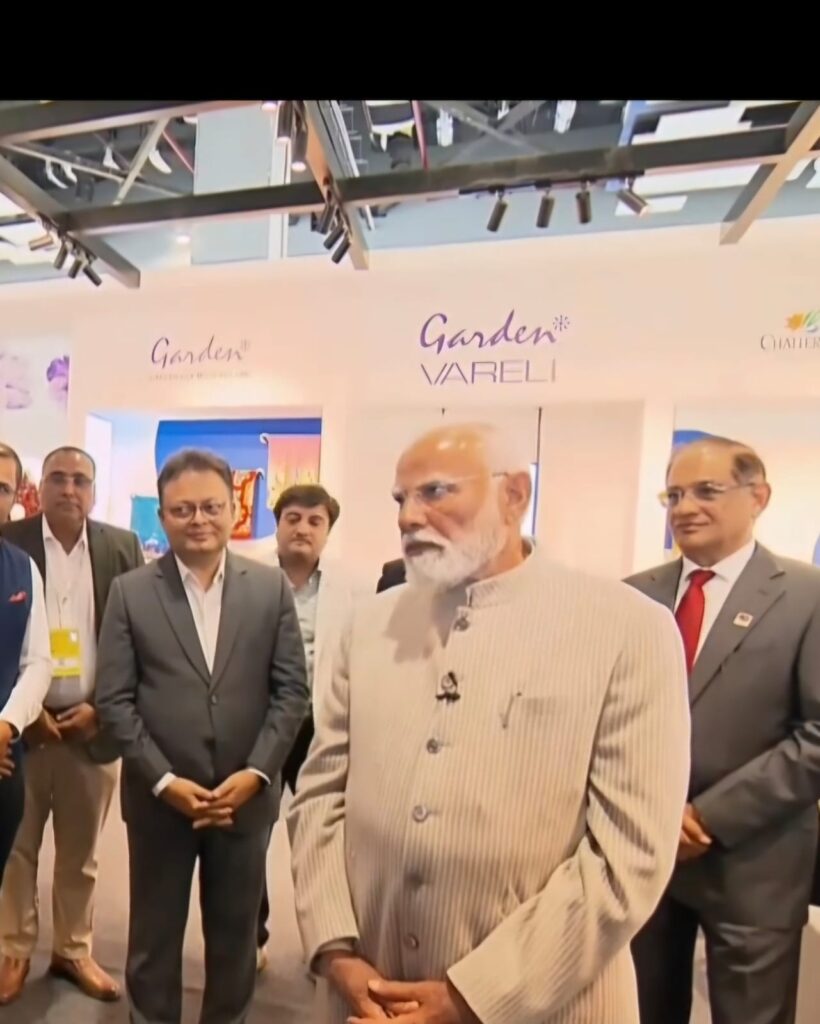
Our primary objective at Bharat Tex 2026 is to showcase the unique strength of our fully integrated polyester value chain. We believe that we are the only group in India with a seamless presence across the entire polyester manufacturing spectrum—from the production of the key raw material to the finished textile product. Our parent company, MCPI Private Limited, manufactures high-quality PTA, the principal raw material for polyester. At our Garden Silk Mills facility in Jolwa, we produce a wide range of polyester filament yarns, including POY, FDY and DTY, while our Garden Vareli unit carries forward our rich legacy by manufacturing premium sarees and dress materials. This end-to-end integration enables us to ensure consistent quality, greater supply chain reliability, faster product development and enhanced value for our customers. Visitors to our pavilion will also get an insight into our expanding portfolio of specialty yarns and value-added textile solutions that are designed to meet the evolving requirements of both domestic and international markets. We will also showcase our steps towards sustainability.
The demand for specialized textile products is growing rapidly. How has your product portfolio expanded to meet evolving customer requirements?
Consumer preferences and fashion trends are constantly evolving, and the textile industry must evolve with them. As demand shifts towards premium fashion fabrics, decorative textiles, sarees and dress materials, the need for differentiated and high-performance yarns has grown significantly. At Garden Silk Mills, we have proactively expanded our specialty yarn portfolio to address these changing market requirements.
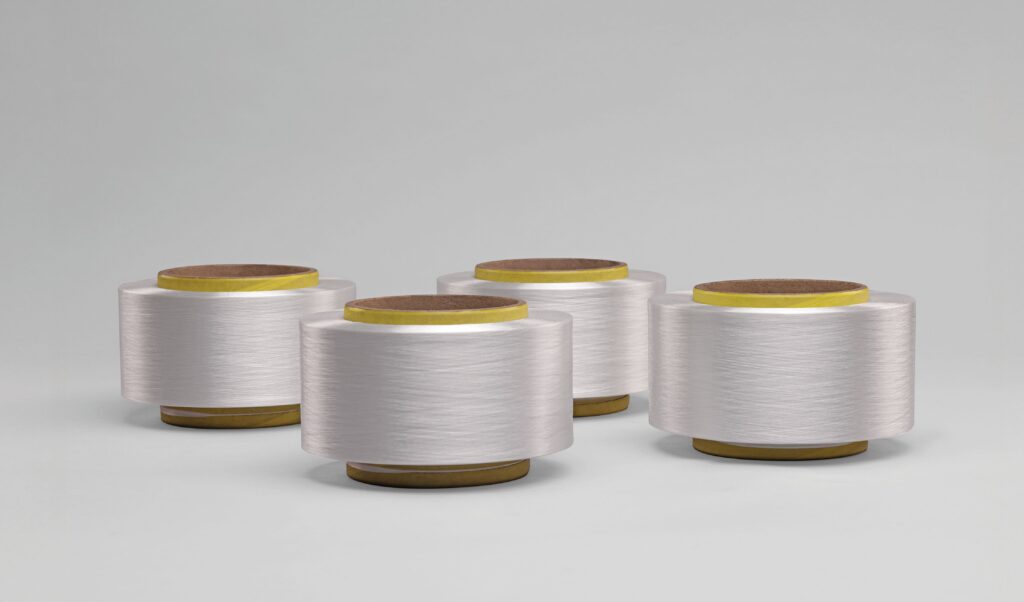
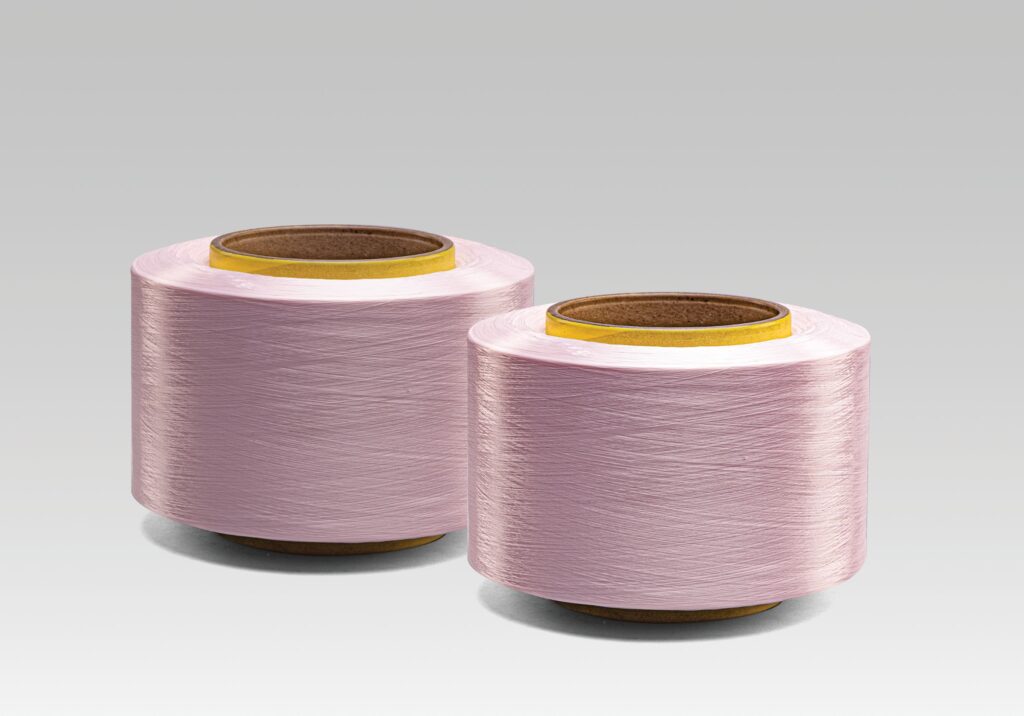
We are among the first manufacturers in India to produce deep-dyeable cationic polyester yarns, which enable vibrant colour effects and enhanced design possibilities in fabrics. We have also invested in advanced German technology to manufacture our pioneering in Wings winder bi-shrinkage yarn, marketed as Garden Silk Shrinkage Yarn (GSSY), which has received an encouraging response from the fabric industry for its superior texture and aesthetic appeal. In addition, we have introduced non-sized yarns, which are gradually gaining acceptance across various applications. Looking ahead, we are evaluating the introduction of other value-added products, including bi-component yarns, etc in line with evolving customer demand. We have identified and recognised demand for specialized yarns with functional properties like cationic, deep dyeable cationic, sparkle yarns, very fine deniers, bi-shrinkage etc based on customer requirement. Company has established Centre of Excellence for polyester and is actively pursuing functional yarn developments like moisture management, anti-odour & anti-microbial, recycled functional yarns, non- spandex stretch yarns etc. We have plans to expand our production of GSSY and Cationic Yarn.
Our strategic objective is to increase the contribution of specialty products from the current 10% of our yarn portfolio to nearly 30% over the coming years. On the fabric side in Garden Vareli, we have strengthened our presence through partnerships with leading e-commerce platforms and are expanding our range of premium sarees and dress materials. As market opportunities develop, we also see potential for entering other garments segment as well. We combine predictive trend analysis, demand sensing and Generative AI to instantly build targeted, market ready catalogs and orchestrate Agentic workflows. We are deploying AI Agentic workflows across design, merchandising, customer services and D2C operations. Our focus is to remain an innovation-driven company that responds quickly to changing customer preferences while delivering superior quality and value across both yarns and fabrics.
How do your integrated manufacturing capabilities and diverse product portfolio help you to serve customers across both domestic and international markets?
Our integrated manufacturing model has become an even greater competitive advantage in today’s uncertain global environment. The recent geopolitical developments in the Middle East clearly demonstrated how vulnerable global petrochemical supply chains can be, particularly for countries like India that depend significantly on imported raw materials for the polyester industry.
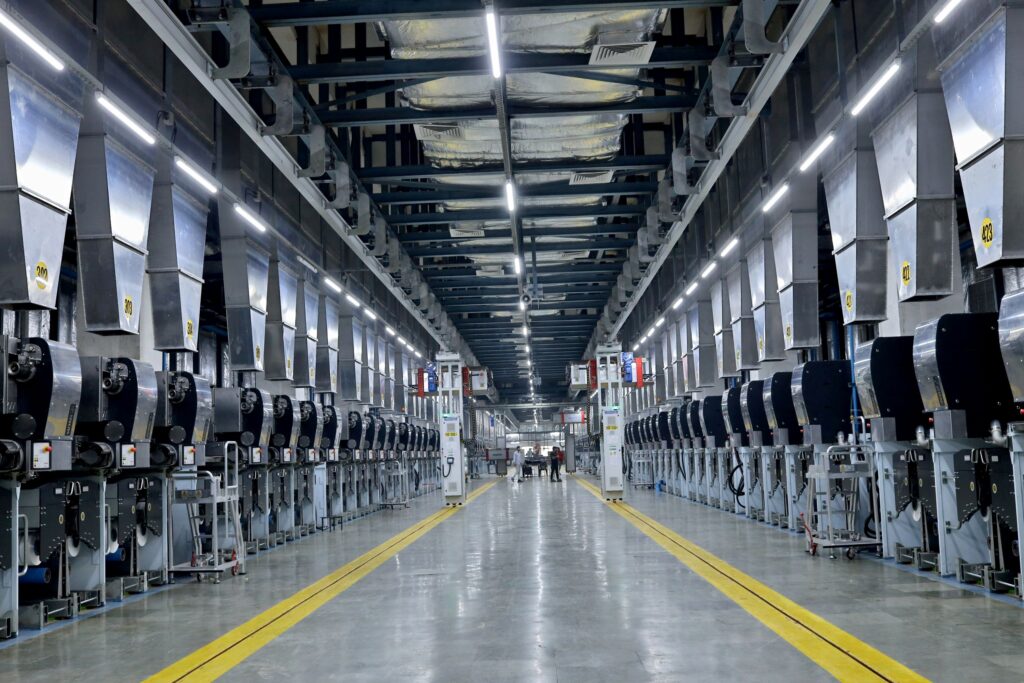
Garden Silk Mills enjoys a unique position because our parent company, MCPI Private Limited, manufactures PTA, the principal raw material for polyester. This provides us with a high degree of raw material security and ensures a reliable supply for our yarn manufacturing operations. While we continue to source MEG from a combination of domestic and international suppliers, the availability of our most critical raw material within the group significantly reduces supply chain risks and enhances operational stability.
We have recently heavily invested in Yarn segment in state-of-art machines to produce best of class FDY as per global standards. Simultaneously huge investments have been done in Renewable Energy, thereby reducing the carbon footprint of our company.
Could you tell us about your manufacturing infrastructure and any recent or planned investments to strengthen your production capabilities?
When we acquired Garden Silk Mills in 2021, we found that a significant part of the manufacturing infrastructure had been in operation for nearly two decades. While the facilities had served the company well, ageing equipment was impacting productivity, operating costs and product capabilities. We therefore embarked on a comprehensive modernization programme aimed at enhancing efficiency, reducing energy consumption and enabling the manufacture of finer-denier, value-added yarns. At the same time, our Continuous Polymerization (CP) plants were extensively upgraded to restore them to optimum productivity and operational excellence.
With the vision and support of our Chairman, Dr. Purnendu Chatterjee, we have undertaken one of the largest modernization initiatives in recent times. Around ₹750 crore has been invested in expanding our FDY manufacturing capacity with state-of-the-art technology. In addition, we transitioned from captive thermal power generation to renewable energy, significantly reducing our carbon footprint while improving long-term sustainability. Overall, between 2022 and 2024, the Group invested approximately ₹1,250 crore in the Garden business under the Aatmanirbhar Gujarat initiative through an MoU with the Government of Gujarat.
Our growth journey continues. Our parent company, MCPI Private Limited, in partnership with Indian Oil Corporation Limited, has received approvals and land allocation for a new greenfield polyester project at Bhadrak, Odisha. The project, with a planned investment of approximately ₹4,250 crore, will include world-class POY, FDY and DTY manufacturing facilities with a capacity of around 1,000 metric tonnes per day. In parallel, we are also evaluating future investments in next-generation specialty products, including bi-component yarns, as we continue to strengthen our position as an integrated and innovation-driven polyester manufacturer.
Sustainability is becoming increasingly important across the textile industry. What are some of the key initiatives Garden Silk Mills has undertaken to make its manufacturing operations more sustainable?
Sustainability is no longer an option—it is a core element of our long-term business strategy. One of our most significant initiatives has been the transition from captive fossil fuel-based power generation to renewable energy, which has substantially reduced the carbon footprint of our manufacturing operations. 100% Power usage in our Jolwa plant will be that from Renewable Energy sources by next 2/3 months.
Beyond our own facilities, we are actively investing in collaborative research to build sustainable solutions for the future of the polyester industry. We have entered into a collaborative arrangement with IIT Delhi to work on advanced technologies relating to technical textiles, polyester recycling and the circular economy. As an initial step, we are actively engaged with the Institute’s faculty on two important research projects and are also in discussions with the Ministry of Textiles regarding their future implementation. While it is premature to disclose the specifics at this stage, I can say that both initiatives are focused on developing sustainable solutions for polyester recycling and promoting a circular economy. We look forward to sharing more details once the projects reach the next stage of development.
Bharat Tex has become an important platform for the textile industry. What opportunities do you believe it creates for companies like yours?
Bharat Tex has emerged as India’s premier textile event and, in my view, has become much more than a trade exhibition. It is a unique platform where the entire textile value chain comes together—from raw material manufacturers and yarn producers to fabric manufacturers, apparel companies, technology providers, machinery suppliers and global buyers. For a company like Garden Silk Mills, it provides an invaluable opportunity not only to showcase our capabilities but also to understand the direction in which the global textile industry is moving.
The interactions during these few days are immensely enriching. We engage with companies across different fibre segments, including polyester, cellulosic fibres and natural fibres, to understand evolving market dynamics and emerging consumer preferences. Equally important are our discussions with international buyers from Europe, the Middle East and other key markets, who provide first-hand insights into changing regulatory requirements, sustainability expectations and sourcing strategies.
In this years Bharat Tex we expect to showcase our products and have fruitful discussions with Buyers from UK and EU. With both the FTAs becoming effective from early 2027, we see significant opportunities in moving our products to these countries.
What emerging trends do you believe will shape the future of the textile industry, and how is your company preparing for them?
Several important trends are converging simultaneously, and together they will shape the future of the textile industry over the coming decade.
The first is the structural shift from cotton to man-made fibres (MMF). This is no longer a future possibility—it is already a market reality driven by changing consumer preferences, affordability and performance requirements. India’s fibre consumption mix remains around 60% cotton and 40% man-made fibres, whereas the global fibre mix is approximately 20% cotton and 80% man-made fibres. This gap highlights the significant headroom for future growth in polyester and other MMFs in India.
Secondly, India’s manufacturing ecosystem is becoming increasingly competitive. Policy initiatives such as the revised Production Linked Incentive (PLI) Scheme are making it easier for companies to invest in scale, technology and value-added manufacturing.
At the same time, recycled and circular polyester is rapidly moving beyond an ESG objective to become a regulatory and customer compliance requirement, particularly for exports to developed markets. Commercially viable chemical recycling technology should evolve soon. We are closely working with some European Companies on this.
Another important opportunity is the global diversification of sourcing under the “China+1” strategy. India is well positioned to benefit as one of the world’s leading producers of man-made fibres. However, this opportunity cannot be taken for granted, as countries such as Bangladesh, Vietnam and emerging manufacturing hubs in Africa are competing aggressively for the same global business. However, FTAs with EU and UK, and a favourable trade agreement with US will definitely help Indian manufacturers.
Finally, we believe that the strongest long-term growth will come from technical and performance textiles, where demand is expanding faster than conventional apparel applications due to industrial usage, regulatory requirements and the need for high-performance materials.
As an integrated group with capabilities spanning the entire polyester value chain—from PTA and polyester filament yarns to fabrics and finished products—we are aligning our investments, product development and sustainability initiatives with each of these emerging trends. Our objective is not merely to participate in the industry’s transformation, but to be among the companies leading it.
Looking ahead, what is your long-term vision for Garden Silk Mills, and what will be the key focus areas for the company’s growth?
Our vision is to rebuild Garden Silk Mills into India’s most respected integrated polyester company, known not just for scale but for innovation, sustainability, specialty products and reliability. We soon plan to utilise 100% plant capacity by installing more state-of-art machineries. We are deliberately shifting from commodity polyester toward sustainability-led products and specialty yarns, and building genuine circularity through recycled polyester yarn made from textile and post-consumer waste via chemical recycling. We have also taken cost reduction initiatives to make Garden Silk Mills one of the most competitive yarn manufacturing unit not only in India but globally.
Alongside this, we are growing Garden Vareli- our D2C brand in women’s wear, into a fully integrated finished-fabric business by utilising our entire plant capacity, targeting Rs. 2,000 crore in the long term for this business , with the ambition of making it the world’s number one saree brand, while continuously upgrading our technology to stay globally competitive.
With such ambitious growth plans, we expect to contribute significantly to the vision of our Hon’ble Prime Minister in the path of achieving USD 350 Billion Textile Trade by 2030. Stable and Industry friendly Government Policy would act as a catalyst towards this growth.