







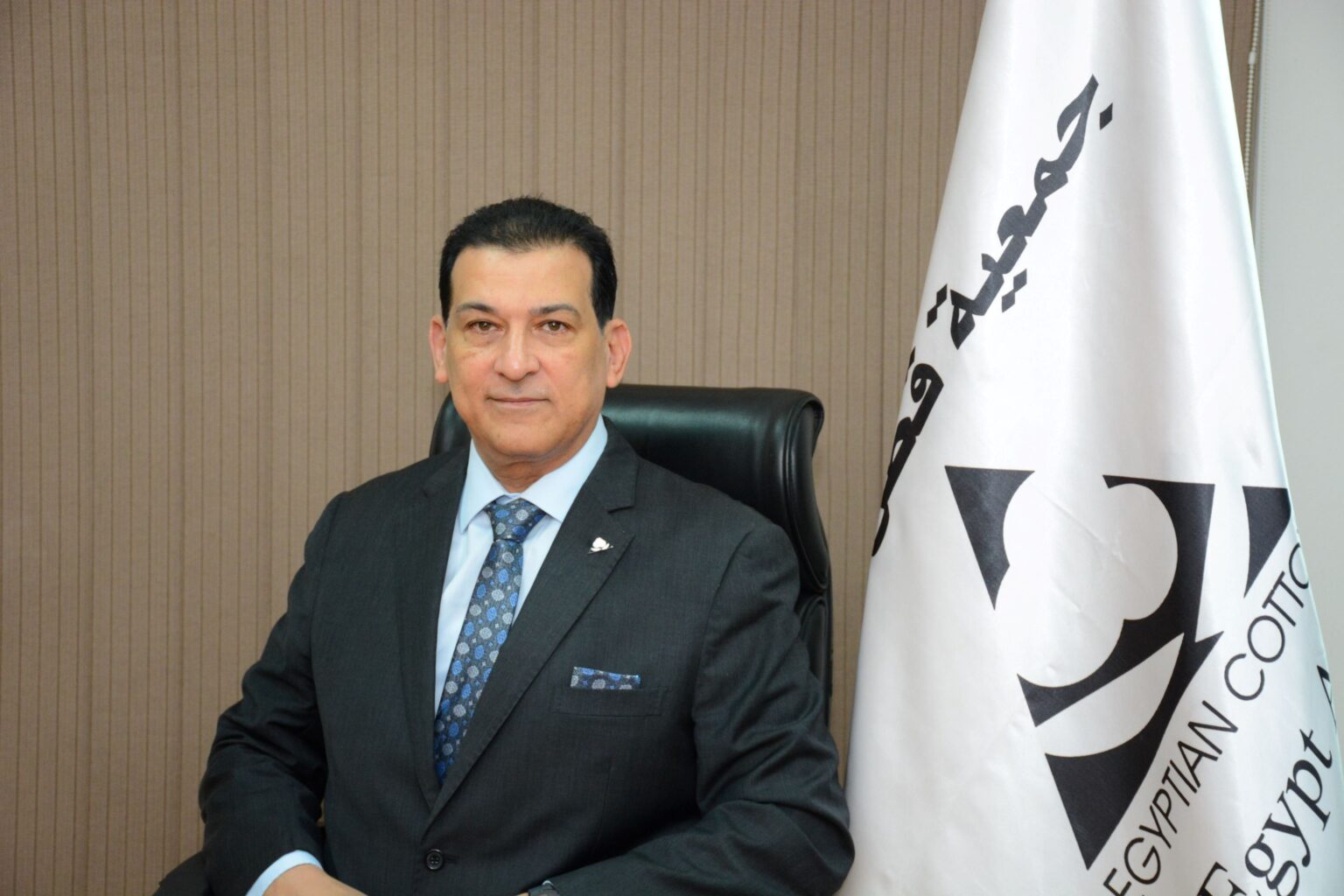
Egyptian Cotton, renowned for its unmatched quality and luxurious feel, has long been a global benchmark in premium textiles. This legacy is today being championed by the Cotton Egypt Association (CEA), under the leadership of its CEO, Mr. Khaled Schuman. With an unwavering focus on expanding market reach, forging strategic collaborations, and advancing sustainability, CEA is redefining the future of Egyptian Cotton. In 2026, the Association is not only celebrating significant growth milestones and deeper global partnerships but is also gearing up to showcase its achievements at Heimtextil Frankfurt 2026. Through its presence at this influential platform, CEA aims to highlight the enduring excellence, traceability, and sustainable practices that make Egyptian Cotton the gold standard for the global textile industry.
Strengthening Global Presence
In 2025, Egyptian Cotton recorded significant growth across major textile hubs, including India, China, and Pakistan. The number of Egyptian Cotton licensees rose markedly, a testament to CEA’s relentless efforts to enhance awareness and promote the Egyptian Cotton Logo Trademark.
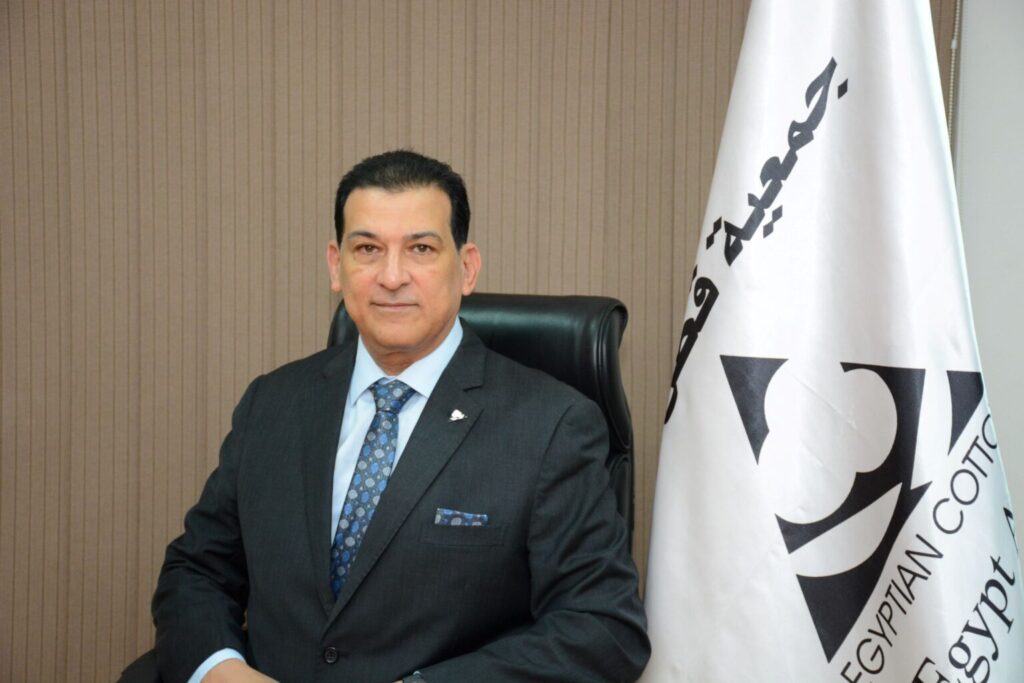
“By empowering our licensees with the tools and knowledge they need, we have ensured that Egyptian Cotton remains synonymous with quality and authenticity,” said Mr. Schuman.
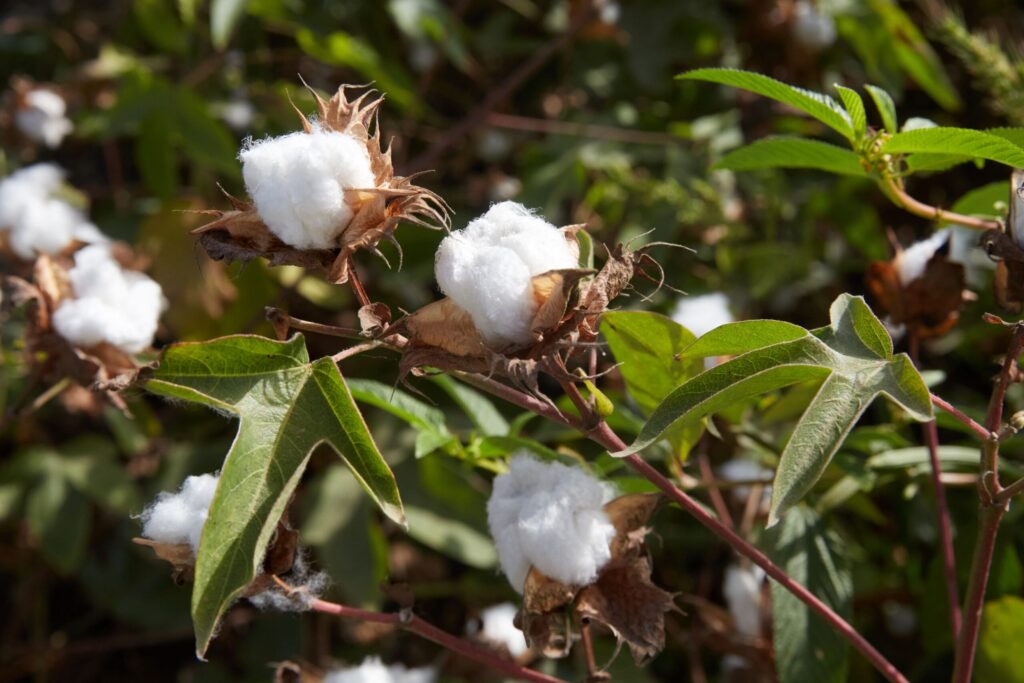
CEA has also expanded its outreach by participating in international exhibitions and building collaborations with local stakeholders, reinforcing Egyptian Cotton’s reputation as the premium choice for global brands.
Strategic Collaborations for a Sustainable Future
Sustainability lies at the core of CEA’s vision. In 2023, the association entered a strategic partnership with Better Cotton. In 2024, the association forged a new alliance with CottonConnect. These collaborations advance the movement to strengthen regenerative and sustainable cotton farming.
“Global brands seek premium cotton that meets international standards of sustainability,” explained Mr. Schuman. “Our partnerships enable us to achieve this goal while promoting sustainable farming practices.”
A highlight of these collaborations has been the induction of traceability systems that allow traceability throughout the supply chain to ensure the authenticity of Egyptian cotton products.
Pioneering Sustainability and Regenerative Farming
Since 2017, CEA has worked with Bureau Veritas to roll out a comprehensive traceability coding system, ensuring transparency from farm to finished product. In 2024, this was further enhanced when Egyptian Cotton produced its first crop under international sustainability standards, facilitated by its partnership with Better Cotton.
In addition, CEA and CottonConnect launched the REEL Regenerative Programme in Egypt’s Gharbia Governorate, focusing on reducing carbon footprint, water use, and chemical dependency in cotton farming. “Regenerative farming is a holistic approach that ensures the long-term viability of cotton while improving environmental outcomes and farmers’ livelihoods,” Mr. Schuman noted.
CEA has also collaborated with Ferdinand Consultants and the National Institute of Metrology (PTB) in Germany, supported by the German Federal Government, to boost the production and quality of organic Egyptian Cotton.
Looking Ahead: Ambitions for 2026 and Beyond
For the future, CEA has laid out an ambitious roadmap. Its priorities include:
- Expanding traceability and verification systems.
- Scaling sustainability and regenerative farming initiatives.
- Participating in more global exhibitions to deepen market engagement.
- Addressing climate change through innovation and eco-friendly practices.
“One of the biggest challenges facing the cotton industry is climate change,” said Mr. Schuman. “In 2026, we will intensify our efforts to support sustainable practices and mitigate its effects.”
A Bright Future for Egyptian Cotton
With cotton contributing nearly 3% of Egypt’s GDP and Egyptian Cotton representing 25–30% of global Extra Long Staple and Long Staple cotton supplies, its importance cannot be overstated. Yet challenges remain—from climate impacts to evolving consumer expectations.
Through initiatives such as regenerative agriculture, precision farming, and traceability systems, CEA is not only safeguarding this legacy but also reshaping it for the future. The recent roundtable co-hosted with CottonConnect and the Cotton Research Institute, which gathered over seventy experts to chart the course for regenerative cotton in Egypt, is further evidence of this forward-looking approach.
As Mr. Schuman concluded: “We are thrilled to push forward the REEL Regenerative Egyptian Cotton Program. The discussions at our roundtable reaffirmed that with collective effort, Egyptian Cotton will remain a global symbol of quality and sustainability for generations to come.”