








By K. Gopalakrishnan
India’s leading spinner enters the high-value Protech segment, leveraging its yarn expertise to develop advanced protective fabrics and integrated safety solutions
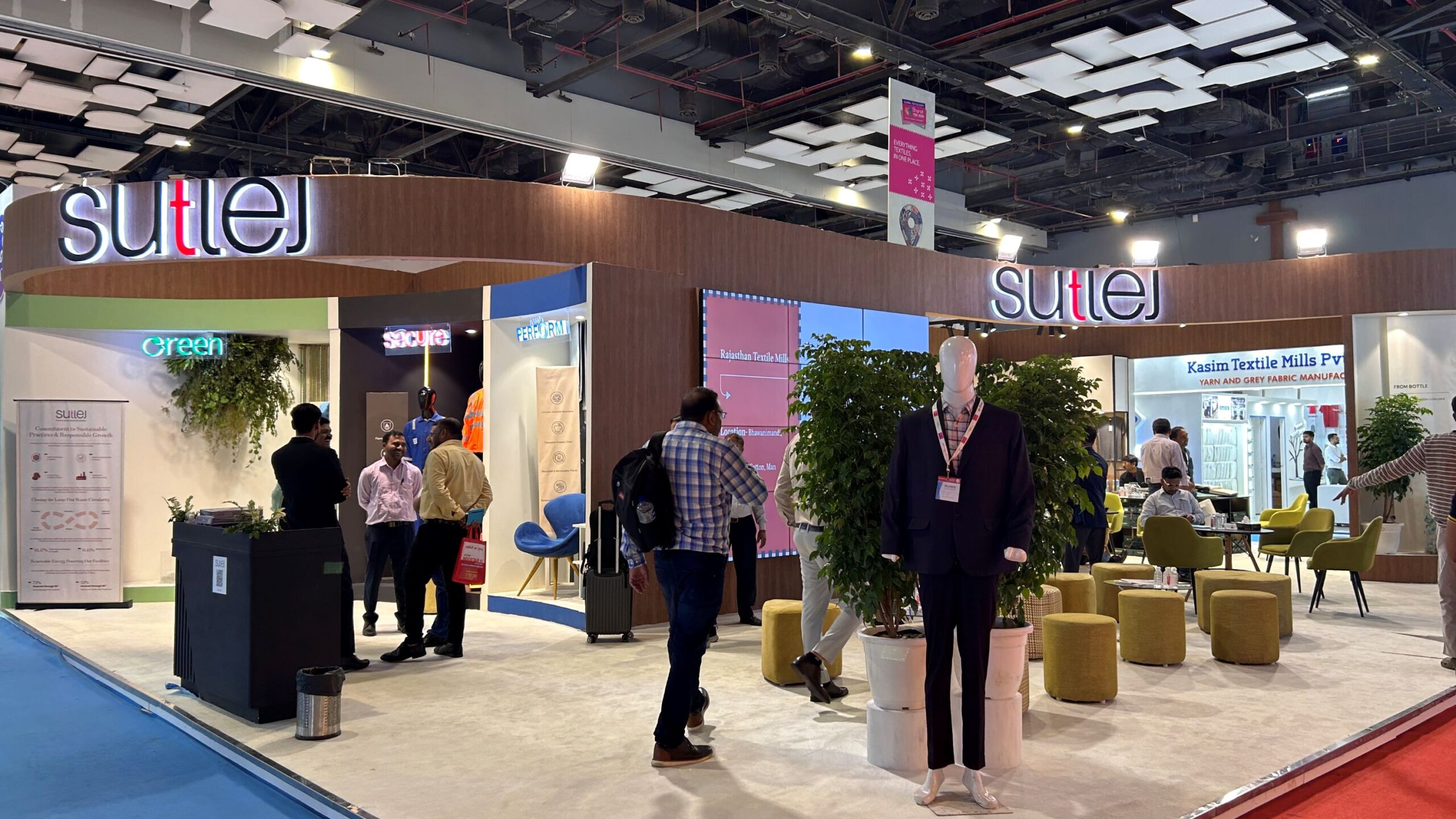
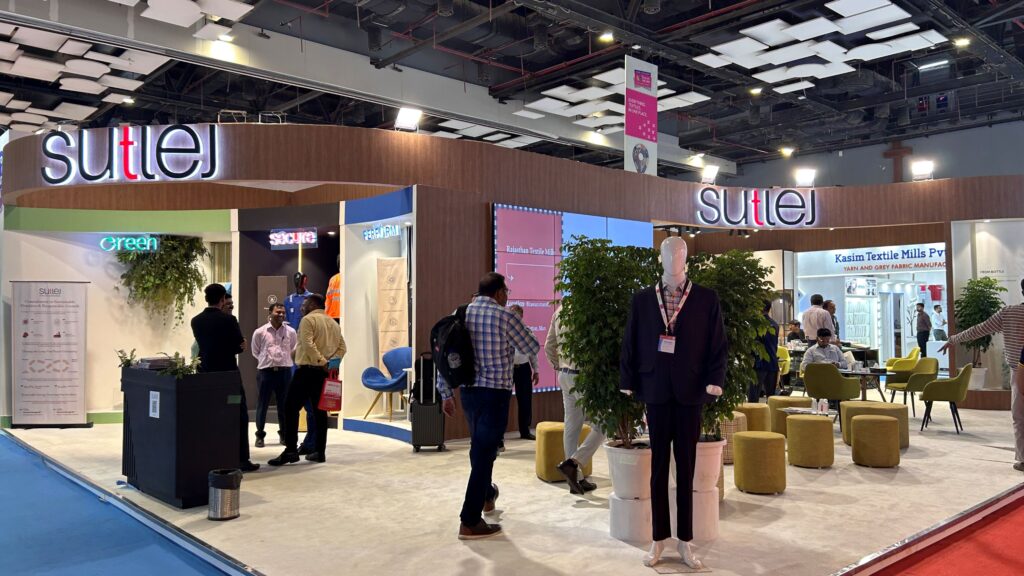
Having established itself as one of India’s foremost textile manufacturers with a strong presence in spinning, melange yarns, home textiles and sustainable fibre solutions, Sutlej Textiles and Industries Limited is now embarking on its next strategic growth journey with an ambitious foray into technical textiles. The move marks a natural progression for a company whose foundation has always been built around innovation in yarns—the fundamental building block of every textile product. Founded in 1934 by Dr. K.K. Birla as Sutlej Cotton Mills, the company has grown over nine decades into a diversified textile group with five manufacturing facilities across Gujarat, Himachal Pradesh, Rajasthan and Jammu & Kashmir, and an export footprint spanning more than 60 countries.

Recognising the immense growth potential of technical textiles globally and the increasing demand for high-performance protective solutions, Sutlej has identified the Protech (Protective Textiles) segment as its first area of focus. Leading this new initiative is Mr. Narinder Thapa, Chief Business Officer – Protech Business, who believes the company’s decades of expertise in fibre and yarn technologies provide a strong platform to build differentiated solutions for one of the fastest-growing sectors of the textile industry.
In an interaction with The Textile Magazine, Mr. Thapa shares Sutlej’s vision for technical textiles, the company’s phased growth strategy, its focus on innovation-driven product development, and how it aims to emerge as a trusted partner in the global protective textiles market.
Building on a Strong Foundation of Yarn Excellence
For Sutlej Textiles, entering technical textiles is not a diversification into an unfamiliar territory but a logical extension of its core competencies.
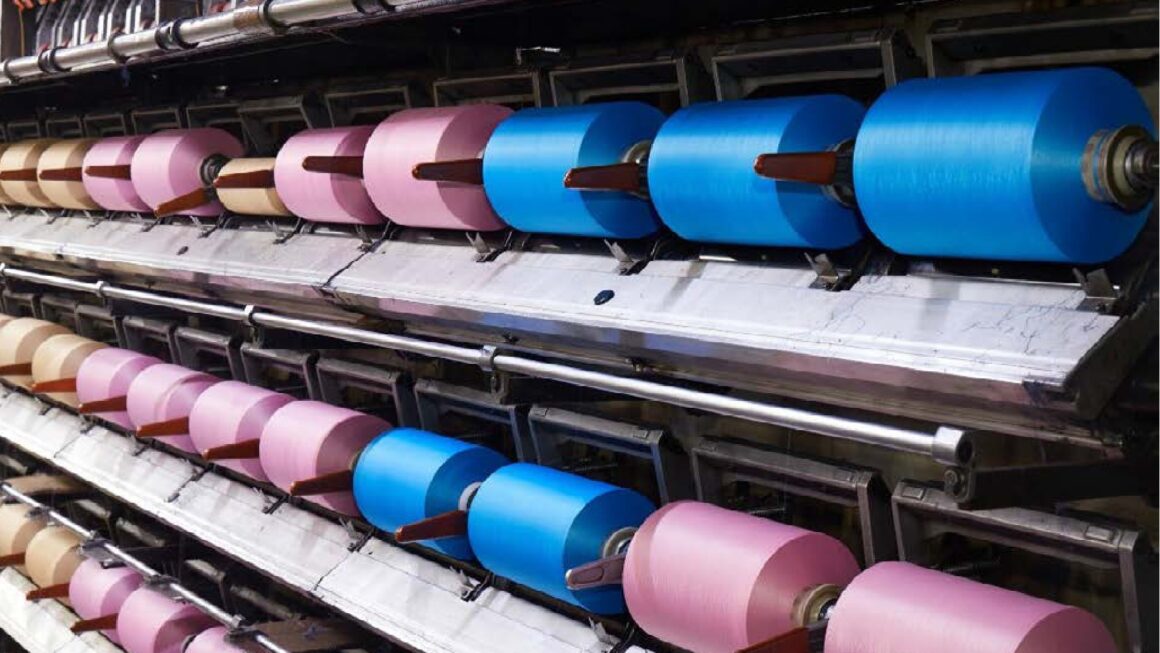
As one of India’s largest spinning companies, Sutlej has built an enviable reputation over several decades by supplying an extensive portfolio of high-quality yarns to customers across the globe. Since yarn forms the foundation of every textile product, the company believes its expertise in fibre selection, spinning technologies and product development offers a distinct advantage as it moves into value-added technical textile applications.
“The backbone of every textile product is yarn. We are one of the pioneers in spinning and among the largest yarn manufacturers in India. Our entry into technical textiles is therefore a natural extension of our existing strengths,” explains Mr. Thapa.
He reveals that the company’s technical textiles initiative has been part of its long-term strategic vision for several years. While the decision had been conceived earlier, the company has now accelerated its plans by establishing a dedicated Protech business to drive focused growth in this high-potential segment.
Focusing on Protech
Technical textiles encompass a wide spectrum of applications ranging from medical and hygiene products to automotive, geotextiles, agrotech, filtration and industrial textiles. However, Sutlej has chosen to adopt a focused approach by initially concentrating on one of the most critical segments—protective textiles designed for human safety.
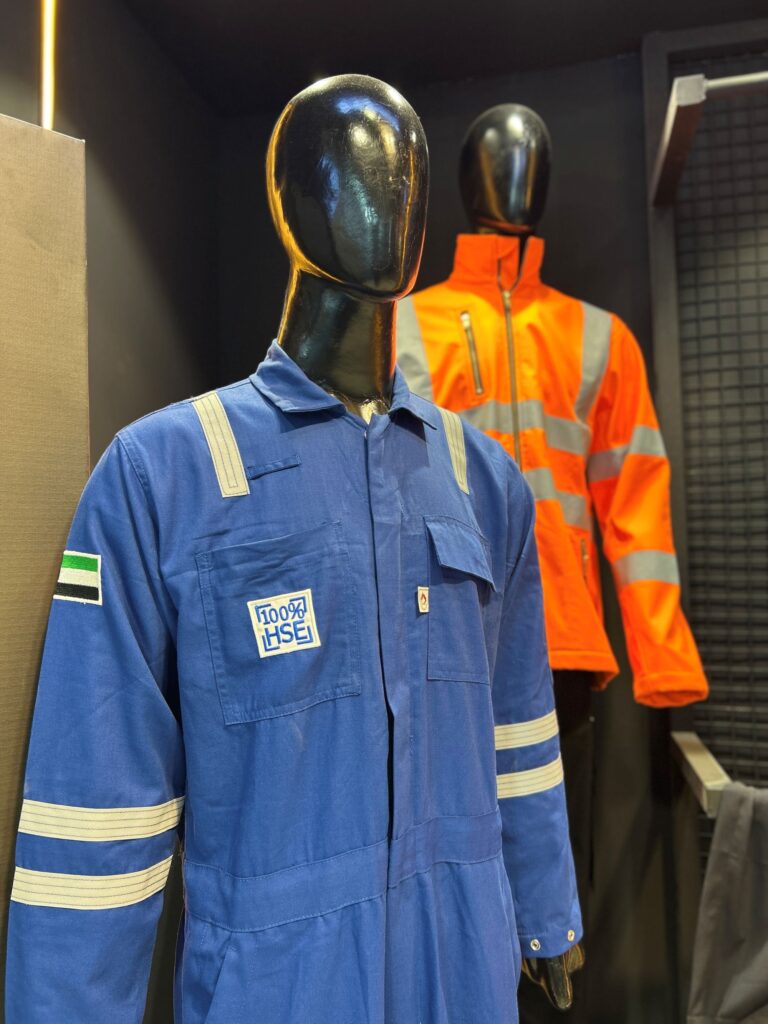
Rather than attempting to address multiple application areas simultaneously, the company intends to build deep expertise in products that protect workers operating in hazardous environments.
“Our first phase is entirely focused on Protech. We want to develop products that safeguard people working in challenging industrial environments. Once we establish ourselves, we will gradually explore other technical textile segments,” says Mr. Thapa.
The strategy reflects the company’s intent to build specialised capabilities in an application area that is witnessing robust global demand, driven by increasingly stringent workplace safety standards across industries including oil & gas, utilities, electrical, manufacturing, mining and infrastructure.
A Phased Roadmap Towards Integrated Solutions
Sutlej’s technical textiles roadmap has been carefully structured in phases.
The company will initially focus on developing and manufacturing high-performance protective fabrics before gradually expanding into complete protective apparel solutions.
“We will begin with fabrics because that aligns with our strengths. Eventually, our objective is to provide complete solutions to end-users,” Mr. Thapa explains.
The first product portfolio will include a comprehensive range of protective fabrics such as inherent flame-retardant fabrics, treated flame-resistant fabrics and specialised workwear fabrics incorporating multiple functional properties.
The company plans to work with advanced fibres including aramids, modacrylic, flame-resistant viscose and polyamide, while simultaneously exploring innovative blends that combine cellulosic fibres such as cotton with engineered man-made fibres to achieve an optimal balance between protection, comfort and durability.
This phased approach allows Sutlej to progressively move up the value chain while building strong expertise in material science and protective textile engineering. This mirrors the innovation pathway the company has already followed in its yarn and home textiles businesses, where R&D efforts have expanded its sustainable fibre portfolio to over 35 certified variants, including recycled, regenerative and bio-based fibres, over the past decade.
Addressing India’s Dependence on Imported Performance Fibres
One of the key challenges facing India’s protective textile industry today is its heavy dependence on imported high-performance fibres.
Mr. Thapa points out that the overwhelming majority of advanced fibres used in protective clothing—including aramids and several specialised performance fibres—are currently sourced from overseas suppliers.
Recognising this strategic gap, Sutlej is already evaluating opportunities for both backward and forward integration.
“We are internally discussing how we can strengthen the value chain through backward integration as well as forward integration. That is certainly one of the long-term directions for us,” he says.
Such an approach could significantly strengthen India’s self-reliance in advanced protective textiles while improving supply chain resilience and reducing dependence on imports. This is a model the company has tested before: its Sutlej Green Fibre facility in Baddi already converts close to 4.8 million post-consumer PET bottles a day into recycled polyester staple fibre, with the majority consumed captively within its own spinning mills, giving the company direct experience in building backward-integrated, traceable supply chains.
Balancing Global Opportunities with India’s Emerging Market
Although India’s technical textile market is expanding rapidly, protective clothing continues to remain relatively underpenetrated compared to developed markets where workplace safety regulations are far more stringent.
Sutlej therefore intends to adopt a dual-market strategy.
The company will initially focus on international markets where demand for certified protective textiles is already well established while simultaneously participating in the growing Indian opportunity.
According to Mr. Thapa, India’s regulatory landscape has evolved significantly over the past decade, particularly with increasing participation by multinational corporations that have introduced global safety practices into domestic manufacturing operations.
However, considerable scope still exists for strengthening awareness and implementation of workplace safety standards across several industrial sectors.
“We see opportunities in both export and domestic markets. Internationally, the demand is already mature, while India is steadily moving in the right direction with stronger regulations and increasing awareness regarding worker safety,” he observes.
Compliance as the Biggest Competitive Advantage
Unlike conventional textiles, success in protective clothing is determined not merely by aesthetics or price but by rigorous compliance with globally accepted safety standards.
Whether supplying to North America, Europe or Asia-Pacific, manufacturers must ensure that products meet stringent certification requirements relating to flame resistance, thermal protection, electrical arc protection, chemical resistance and other performance parameters.
Mr. Thapa believes Sutlej’s deep understanding of global compliance requirements will become one of its strongest differentiators.
“This business is completely compliance driven. Understanding the standards applicable in different geographies is absolutely critical. We understand what customers require in Europe, the US, Southeast Asia as well as the evolving Indian market. That understanding gives us a strong competitive advantage.”
Rather than competing purely on price, the company intends to position itself as a knowledge-driven partner capable of delivering certified solutions tailored to diverse industrial applications. This compliance-first orientation is consistent with Sutlej’s existing certification base, which includes ISO 9001, ISO 14001, ISO 45001, SA8000, GOTS and Oeko-Tex Standard 100 across its manufacturing units, built over years of operating in a globally regulated business.
Innovation at the Heart of Product Development
Innovation forms the cornerstone of Sutlej’s Protech strategy.
Rather than replicating products already available in the marketplace, the company intends to develop differentiated solutions addressing specific industrial hazards while simultaneously enhancing wearer comfort.
For instance, protective clothing used in oil & gas operations, utilities or heavy industrial environments often involves trade-offs between protection, comfort and durability. Sutlej aims to overcome these compromises through advanced fibre engineering, innovative blends and specialised fabric constructions.
“We do not want to become another copycat manufacturer. Our focus is on developing innovative products that address specific hazards while improving comfort for the wearer,” says Mr. Thapa.
He indicates that the company is already working on several product concepts and expects to introduce a series of innovative offerings over the coming months.
As workplace safety expectations continue to evolve globally, continuous innovation will remain central to maintaining competitiveness in this highly specialised segment.
Creating a New Growth Engine
The technical textiles initiative represents much more than the launch of a new business vertical for Sutlej Textiles. It signals the company’s strategic transition towards higher-value, technology-driven textile solutions that combine advanced material science with specialised application expertise.
By leveraging its leadership in spinning, investing in product innovation, focusing on global compliance and gradually expanding across the protective textiles value chain, Sutlej is positioning itself to become a significant player in one of the fastest-growing segments of the textile industry.
With increasing industrialisation, rising awareness of worker safety, tightening regulations and growing demand for certified protective apparel worldwide, the timing of the company’s entry appears well aligned with long-term market trends.
While the journey has only just begun, Sutlej’s measured, phased and innovation-led approach reflects its ambition to build a sustainable presence in technical textiles rather than pursue short-term opportunities.
As Mr. Narinder Thapa aptly concludes, the objective is not merely to manufacture protective fabrics, but to continuously innovate and develop solutions that provide superior protection, enhanced comfort and lasting value to end-users. Backed by the company’s rich textile heritage and deep expertise in fibre technologies, Sutlej’s Protech business has the potential to become a significant contributor to India’s rapidly expanding technical textiles landscape. For a company that has already built value-added yarns, home textiles and green fibre into three distinct growth engines over the past two decades, Protech marks a fourth vertical in what continues to be a deliberately diversified portfolio.