








By K. Gopalakrishnan
For decades, Laxmipati Group has been synonymous with quality saree manufacturing and has established itself among the most respected names in India’s textile industry. However, as global textile markets evolve and new opportunities emerge, the company is writing a fresh chapter in its growth story. Under the guidance of Shri Sanjay Sarawagi, Shri Harddik Sarawagi, Executive Director, Laxmipati Group, is aggressively diversifying into technical textiles and apparel manufacturing, transforming itself from a traditional textile player into a future-ready enterprise focused on innovation, technology and value-added products.

While the saree business continues to remain a strong pillar of the organization, Mr. Sarawagi sees technical textiles and apparel as the next major engines of growth. What began nearly twelve years ago through a technical collaboration with DuPont for Sorona-based products has today evolved into a specialized business serving applications ranging from defence and protective textiles to sports and industrial fabrics.
“We always believed in taking calculated risks and entering new markets with new products. Technical textiles and apparel are natural extensions of our capabilities and represent the next phase of growth for the company,” says Mr. Sarawagi.
From Sorona Sarees to Technical Textiles
Laxmipati’s journey into technical textiles can be traced back to its collaboration with DuPont, which initially focused on processing Sorona yarn and developing innovative textile products. The exposure to global technical textile requirements opened new possibilities for the company and laid the foundation for a dedicated technical textile business.
Over the years, the company steadily developed expertise in manufacturing and processing specialized fabrics and today offers a growing portfolio of technical textile products catering to defence, industrial and sports applications.


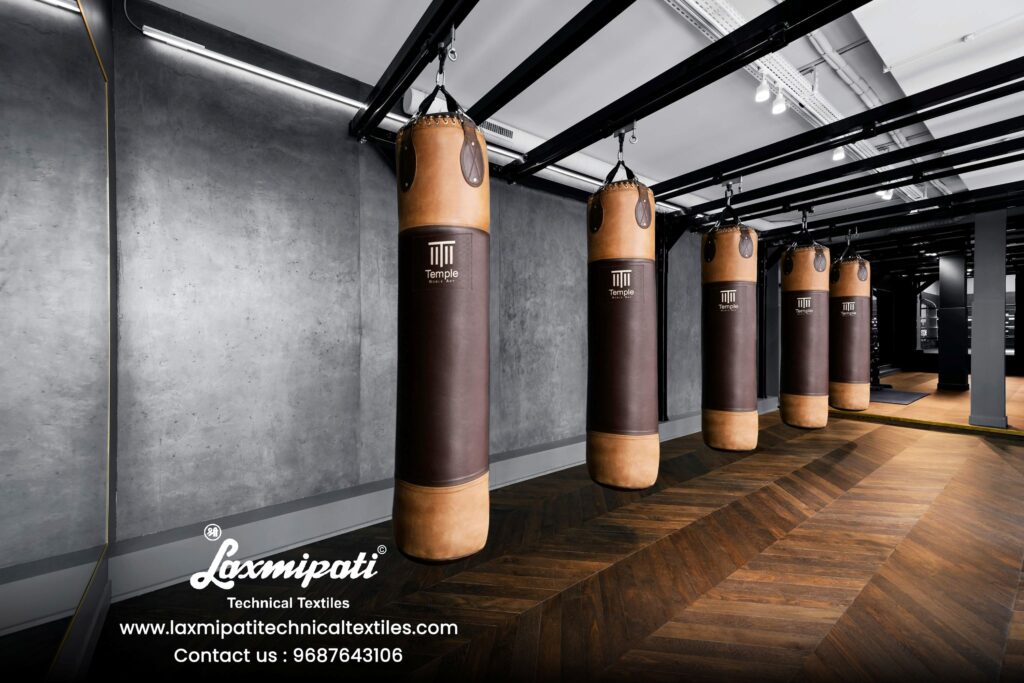
Its product range includes flame-retardant fabrics, acrylic silicone-finished fabrics, high-visibility fluorescent fabrics, camouflage fabrics for defence applications, fabrics for tactical rucksacks and sleeping bags, industrial conveyor fabrics, rainwear fabrics and specialty materials used in punching bags and other performance applications.
Several of these products are already being supplied for applications linked to the Indian defence ecosystem, including products used by the National Disaster Response Force (NDRF).
“Many of our products are already being used in defence and protective textile applications. Initially we were doing very limited marketing, but now we have started aggressively promoting these capabilities,” explains Mr. Sarawagi.
Building Specialized Manufacturing Capabilities
Unlike many companies entering technical textiles through trading or outsourcing, Laxmipati has focused on building manufacturing capabilities within its own facilities.
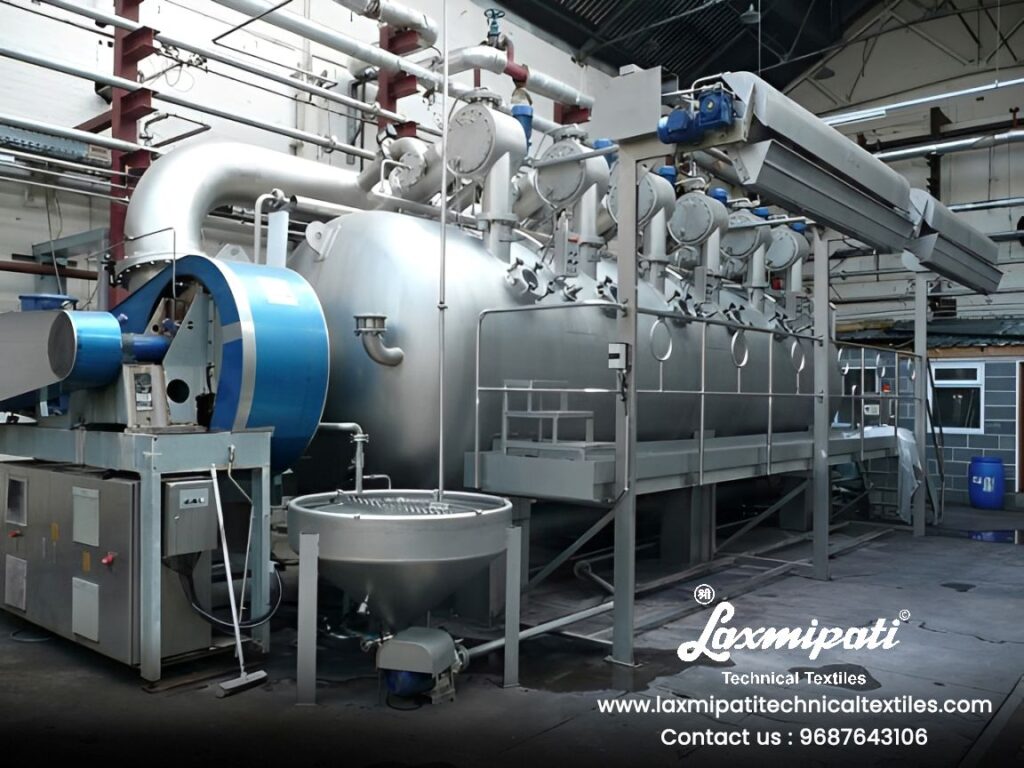
The company has allocated dedicated production capacity for technical textiles and currently operates specialized water-jet weaving and processing facilities capable of manufacturing fabrics up to 420 denier high-tenacity specifications. These fabrics are used in demanding applications such as heavy-duty conveyor systems, protective gear and industrial products.
Over the years, Laxmipati has invested significantly in specialized machinery, processing technologies and testing infrastructure specifically designed for technical textile manufacturing.
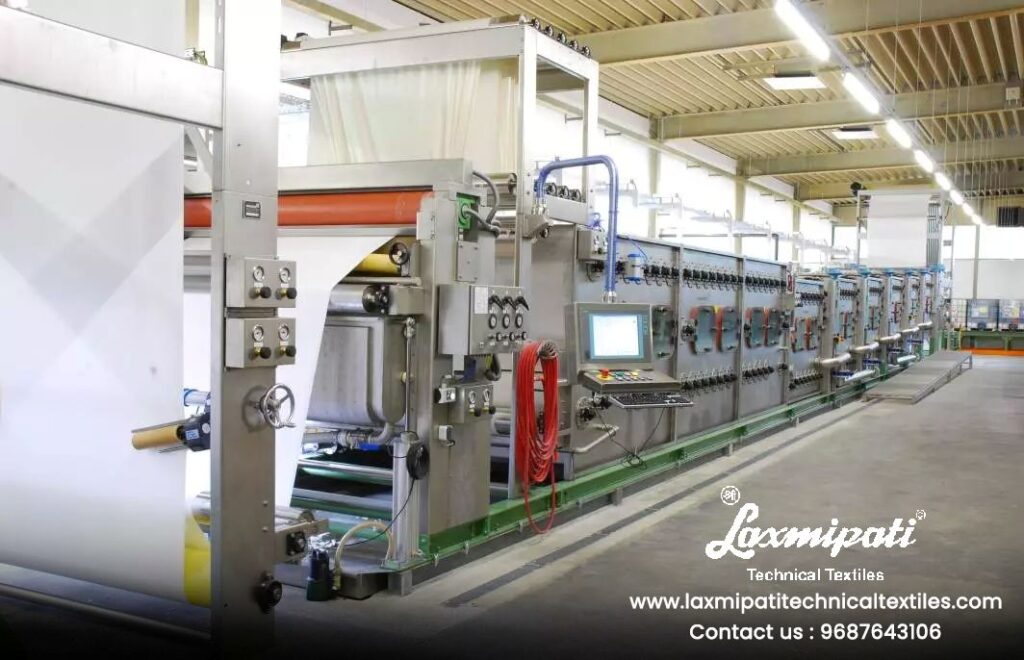
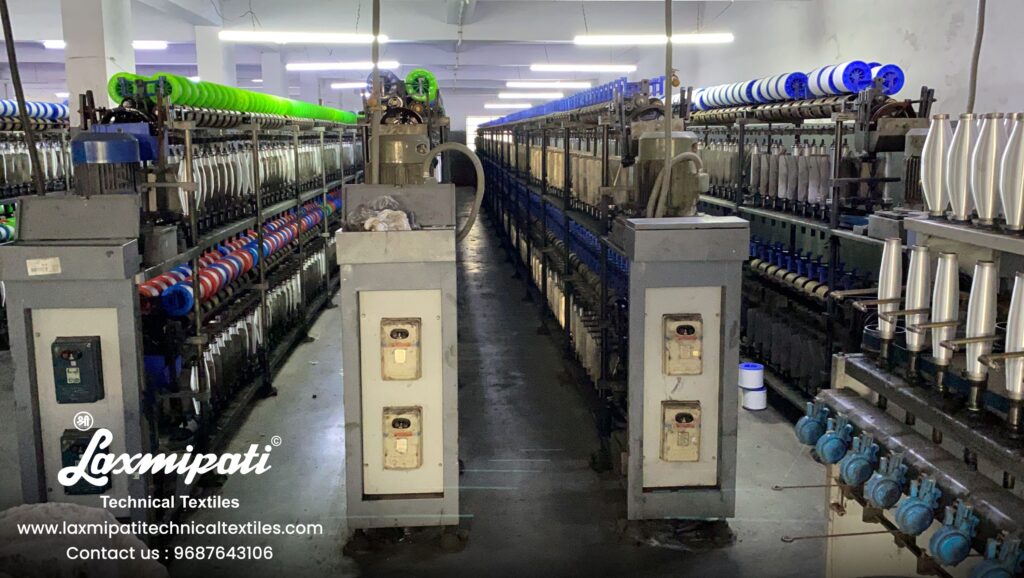
“These investments were made exclusively for technical textiles. As demand grew, we continued adding more machinery and capabilities to support the business,” says Mr. Sarawagi.
The company has also developed a comprehensive in-house testing laboratory equipped to evaluate products against stringent technical specifications. In addition, products are tested through external institutions such as NITRA, and the company is in the process of obtaining NABL accreditation for its laboratory.
This emphasis on quality and compliance has enabled Laxmipati to successfully cater to highly demanding sectors where performance and reliability are critical.
Addressing India’s Import Dependence
According to Mr. Sarawagi, one of the biggest opportunities for India’s technical textile sector lies in reducing dependence on imported products.
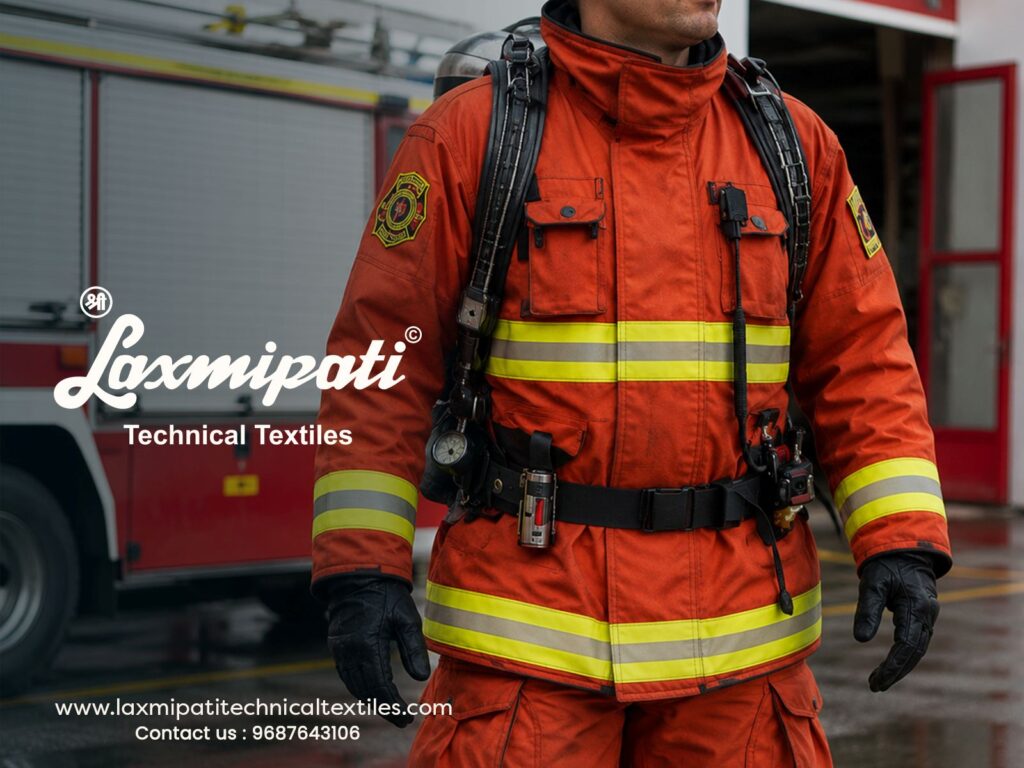
For years, many specialized fabrics used in defence, industrial and performance applications have been sourced from countries such as China and Taiwan. While domestic demand exists, awareness about Indian suppliers remains limited.
“There is a huge communication gap between buyers and suppliers in technical textiles. Many buyers simply do not know that Indian manufacturers are capable of producing these products. Once they discover local capabilities, they are willing to consider Indian suppliers,” he observes.
He believes that stronger industry associations, networking platforms and technical textile forums can play an important role in connecting manufacturers with potential buyers and accelerating domestic sourcing.
At the same time, he acknowledges that India still needs greater investment across the technical textile value chain to develop a stronger ecosystem capable of competing globally.
Focus on High-Performance and Niche Applications
Rather than entering highly commoditized technical textile segments, Laxmipati has chosen to focus on niche, performance-driven applications where technology and product differentiation create value.
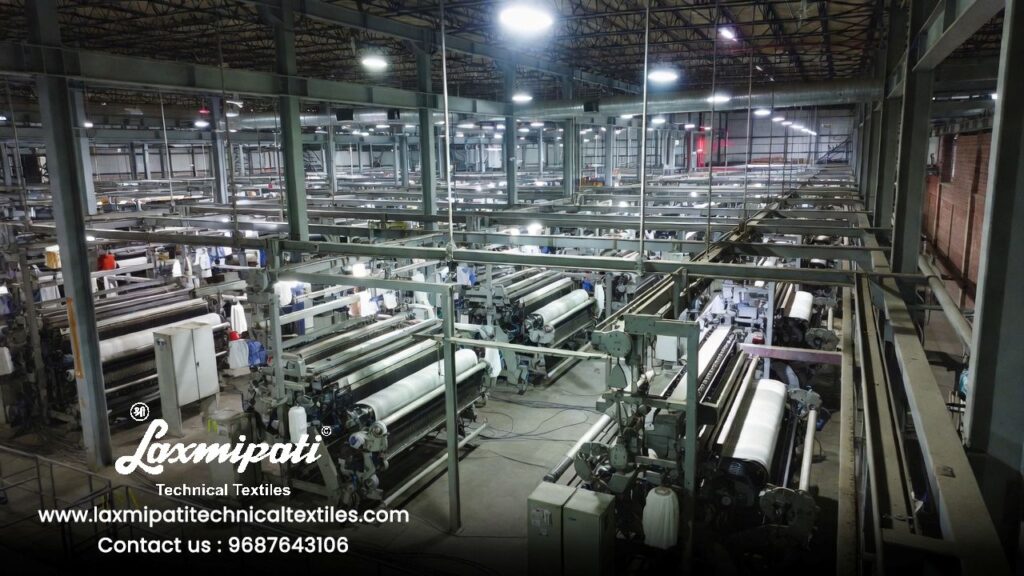
The company is actively working with high-tenacity nylon fabrics, nylon 6 and nylon 66-based products, as well as specialized fabrics for defence, sports and industrial applications.
“We are not interested in becoming a mass producer of commodity products. We are focusing on niche applications where performance matters more than price,” says Mr. Sarawagi.
He points out that many high-performance products continue to remain underutilized in India because purchasing decisions are often driven by initial cost rather than lifecycle performance. However, growing awareness and evolving industry requirements are expected to gradually change this mindset.
Apparel Emerges as the Second Growth Engine
Alongside technical textiles, Laxmipati is making significant investments in apparel manufacturing.
The apparel journey began approximately two-and-a-half years ago when the company decided to diversify beyond its traditional woven fabric expertise and enter the knitted garment segment.
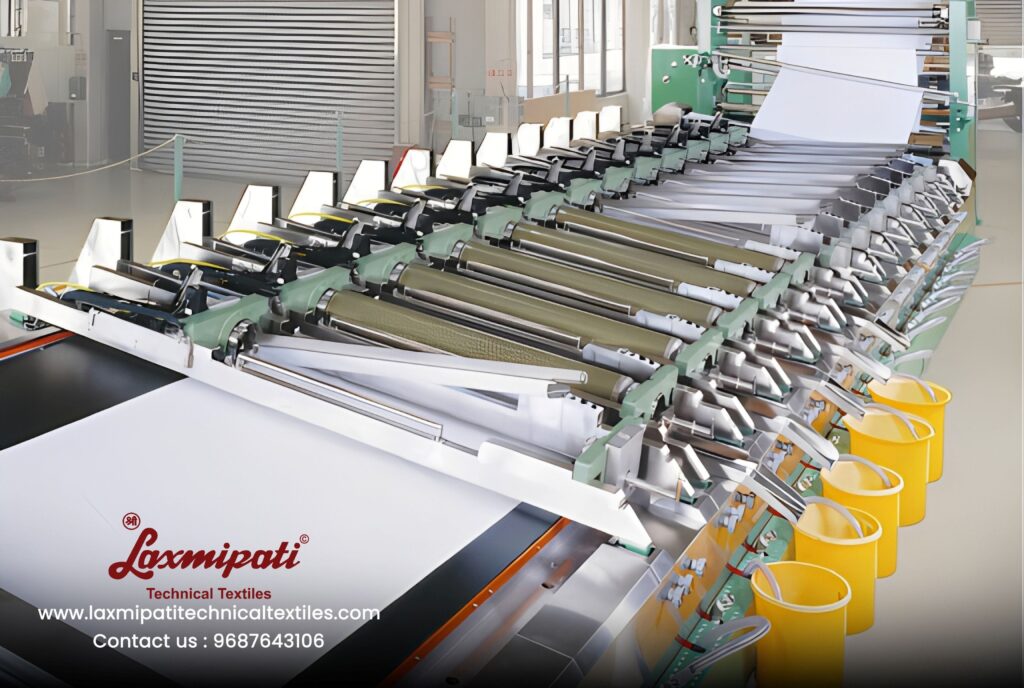
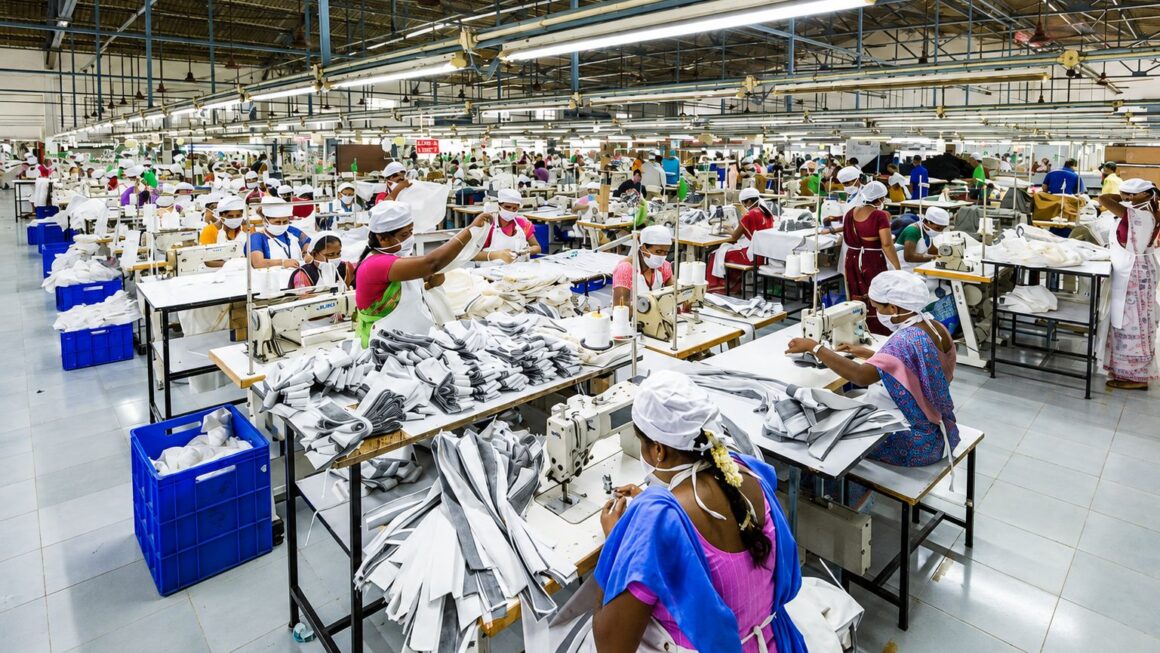
What started as job work and learning assignments has now evolved into a dedicated apparel business with substantial investments in knitting, garmenting and processing infrastructure.
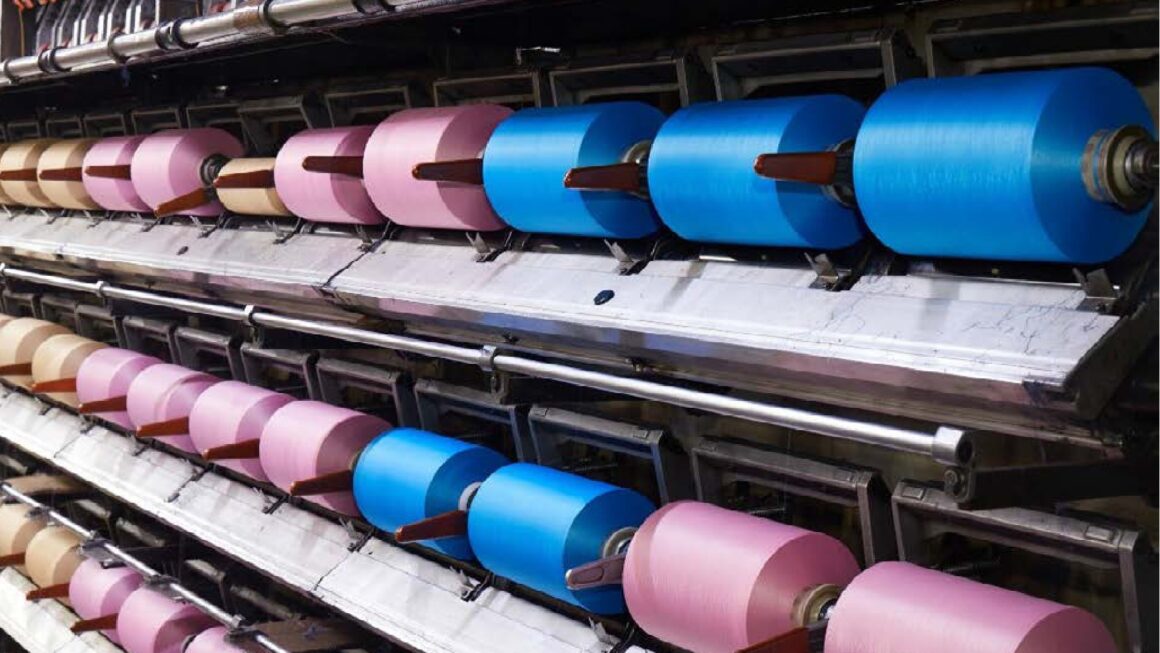
The company is commissioning a new apparel facility equipped with around 2,500 garment machines and is simultaneously investing in circular knitting operations. New machinery from globally reputed suppliers such as Fukuhara and Barmag is being installed to support the expansion.
“Initially we learned the business by working with external customers and understanding the nuances of knitted fabrics and garment manufacturing. Today we are ready to scale up in a meaningful way,” says Mr. Sarawagi.
The company is developing an integrated setup with a knitting capacity of approximately 3,000 kilograms per day and plans to gradually expand as volumes increase.
Export-Led Apparel Strategy
Unlike many apparel manufacturers focusing primarily on the domestic market, Laxmipati’s apparel strategy is heavily export-oriented.

The company is already working with international brands and believes export markets offer better opportunities for value realization, compliance-driven growth and long-term sustainability.
Its focus remains on mass-premium apparel rather than low-cost commodity products.
“We are looking at premium products where customers appreciate quality, performance and innovation rather than simply focusing on the lowest price,” explains Mr. Sarawagi.
Free Trade Agreements signed by India with various countries are expected to further strengthen export opportunities for apparel manufacturers.
To reduce dependence on any single market, the company is actively diversifying its customer base beyond the United States and exploring opportunities in Europe, Germany and the United Kingdom.
Technology, Compliance and Continuous Investment
A recurring theme throughout Laxmipati’s diversification journey has been its willingness to invest in advanced technology and world-class manufacturing systems.
From high-end Brückner finishing lines and advanced dyeing equipment to SAP-driven operational systems, the company has consistently focused on creating a structured and technology-led manufacturing environment.
The same philosophy now guides its investments in technical textiles and apparel.
“Our focus has always been on investing in the best available technology and building systems that improve efficiency, consistency and quality. We are looking at the long-term opportunity rather than short-term profitability,” says Mr. Sarawagi.
The company continues to invest heavily in certifications, compliance systems and sustainability standards, including Sedex, GOTS, GRS and other globally recognized certifications that are increasingly becoming prerequisites for international business.
Looking Ahead
As Laxmipati Group prepares to showcase its technical textile and apparel capabilities at Bharat Tex, the company is entering a transformative phase in its evolution.
While its leadership position in the saree segment remains intact, the future growth narrative is increasingly being shaped by technical textiles and apparel. Supported by strong manufacturing infrastructure, advanced technology, quality-focused processes and a willingness to invest in emerging opportunities, the company is steadily building a diversified textile enterprise capable of competing in global markets.
For Laxmipati Group, diversification is not merely about adding new products; it is about building sustainable growth platforms for the future. Technical textiles and apparel represent two strategic pillars that complement the company’s established strengths while opening doors to new markets and higher-value opportunities. Under the leadership of Mr. Harddik Sarawagi, the company is leveraging its manufacturing expertise, technological capabilities and entrepreneurial spirit to create a future-ready textile business. As demand for specialized fabrics and value-added apparel continues to grow globally, Laxmipati appears well positioned to emerge as a significant player in both segments while carrying forward the legacy of excellence that has defined the group for generations.